Farming & Regeneration Photography
Stories of growers, producers and land stewards working with nature.
Across regenerative farming, seed saving, food provenance, horticulture and landscape restoration, I’m interested in the people behind the work and the ways they’re changing how we grow, produce and care for the land.

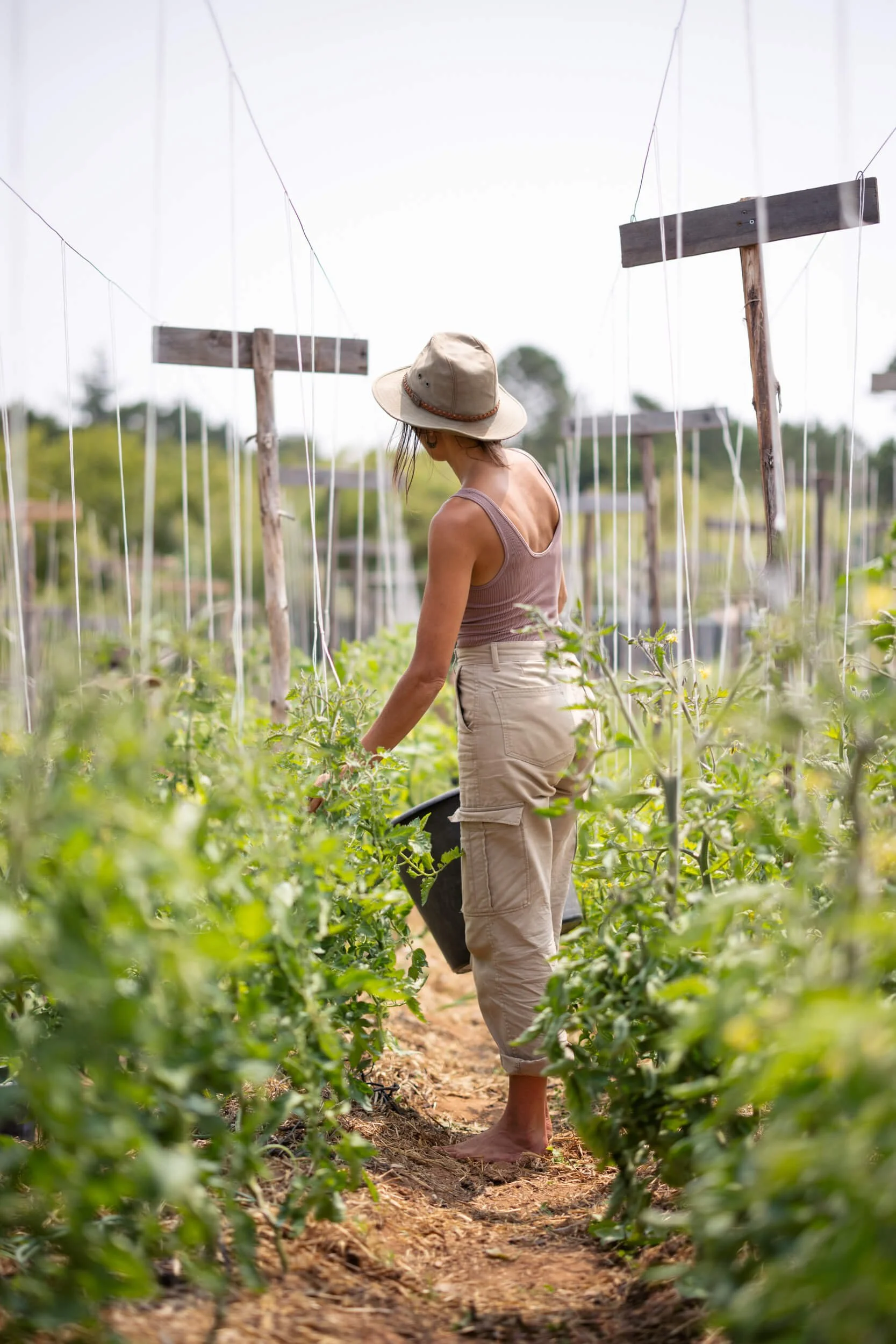
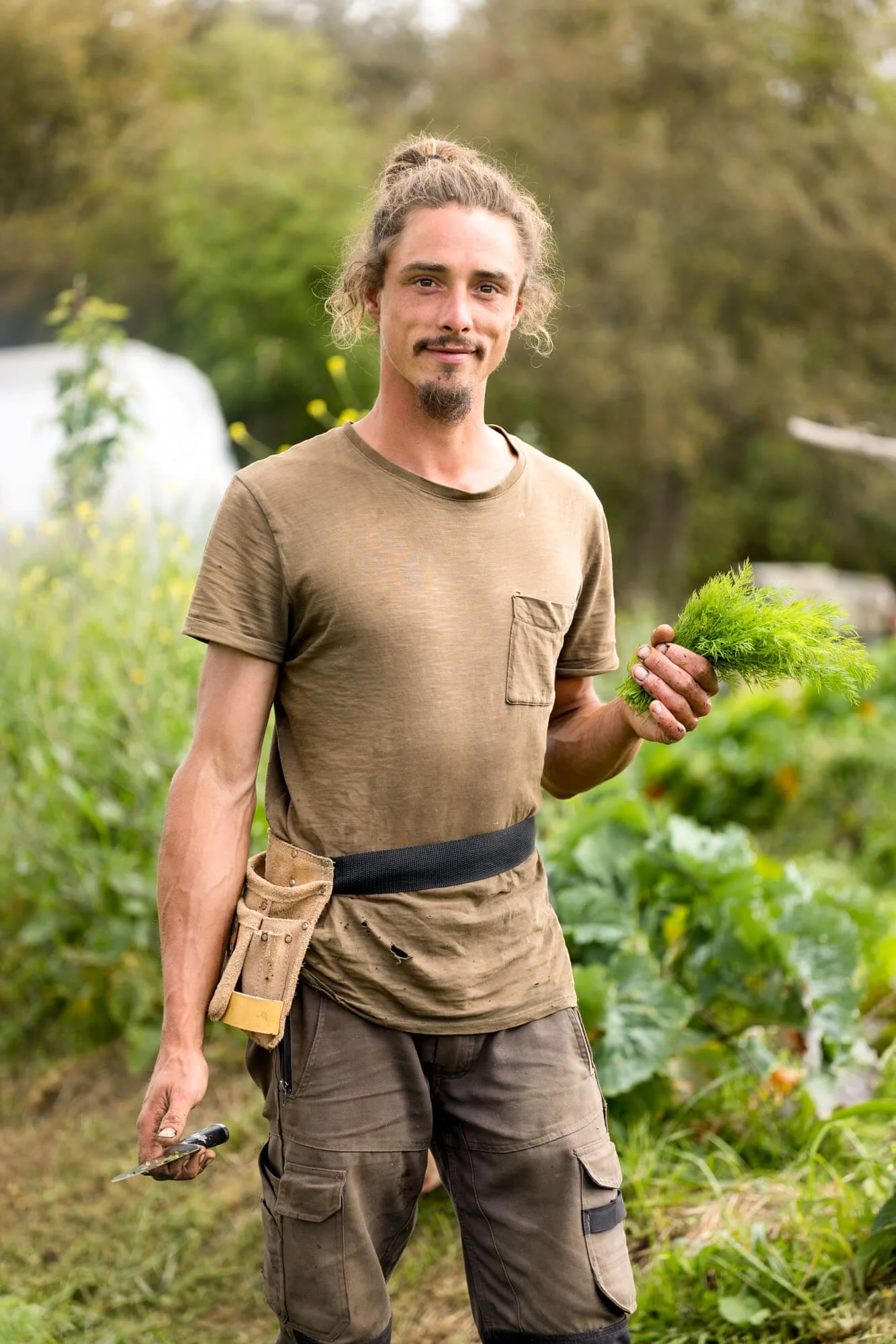
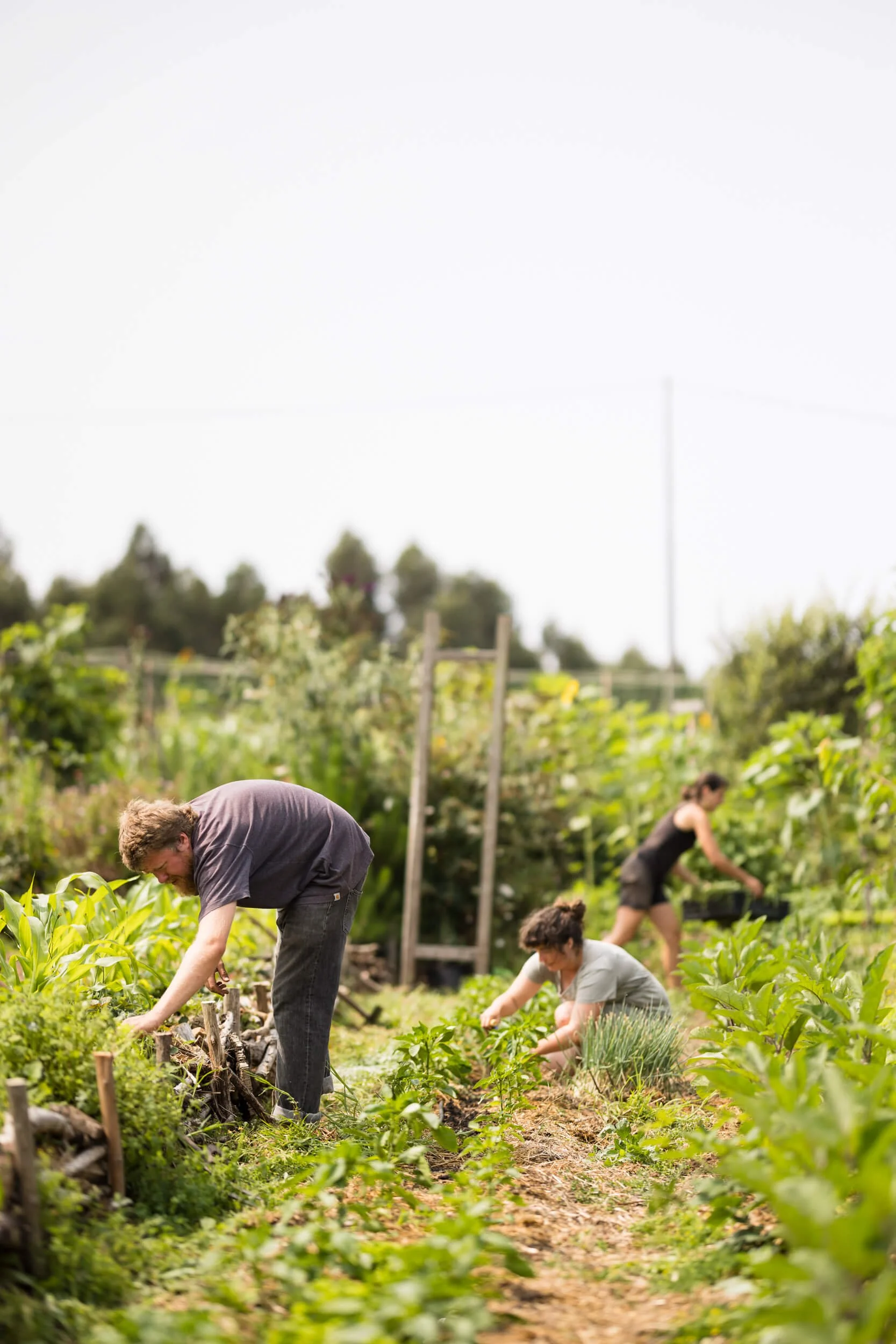
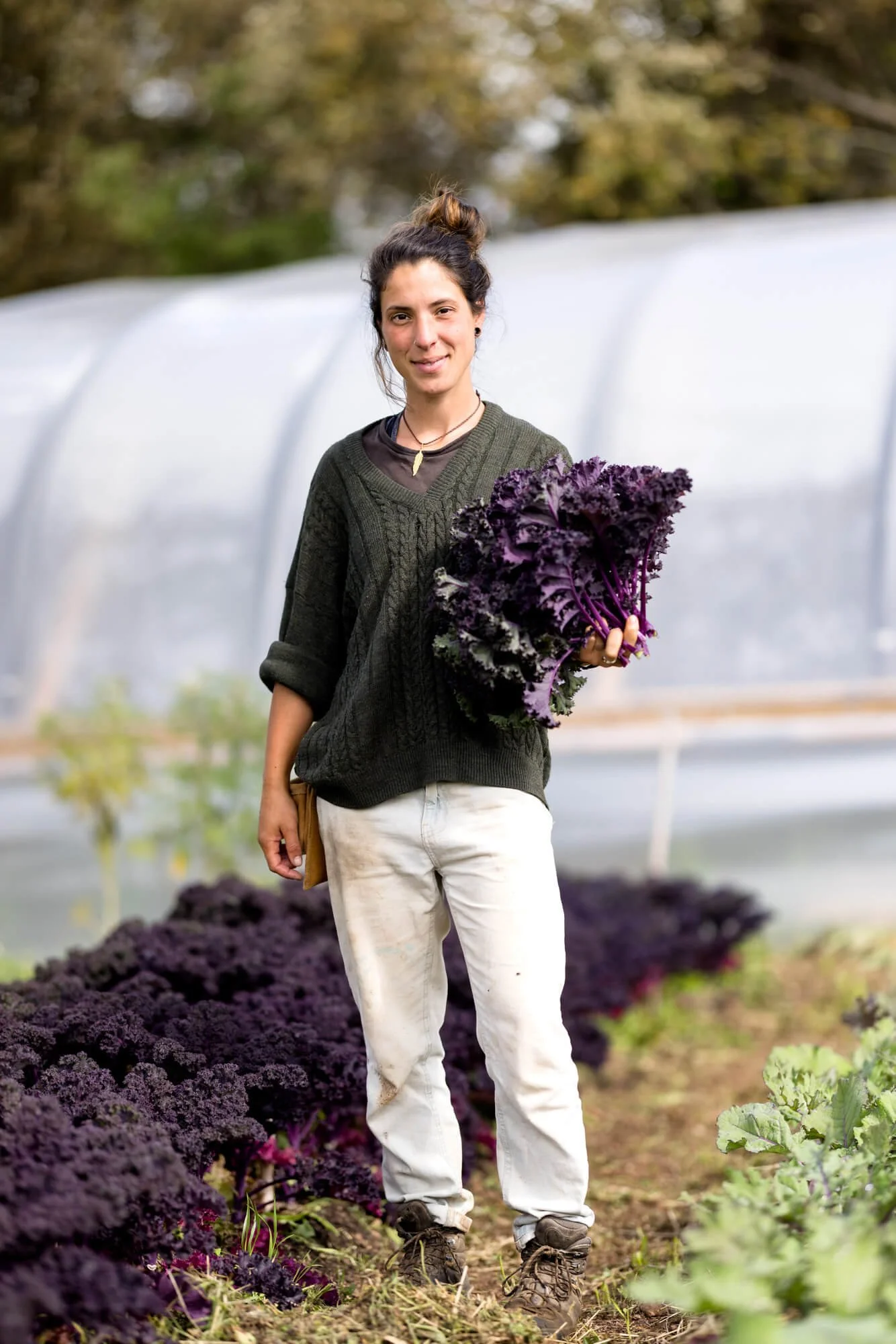
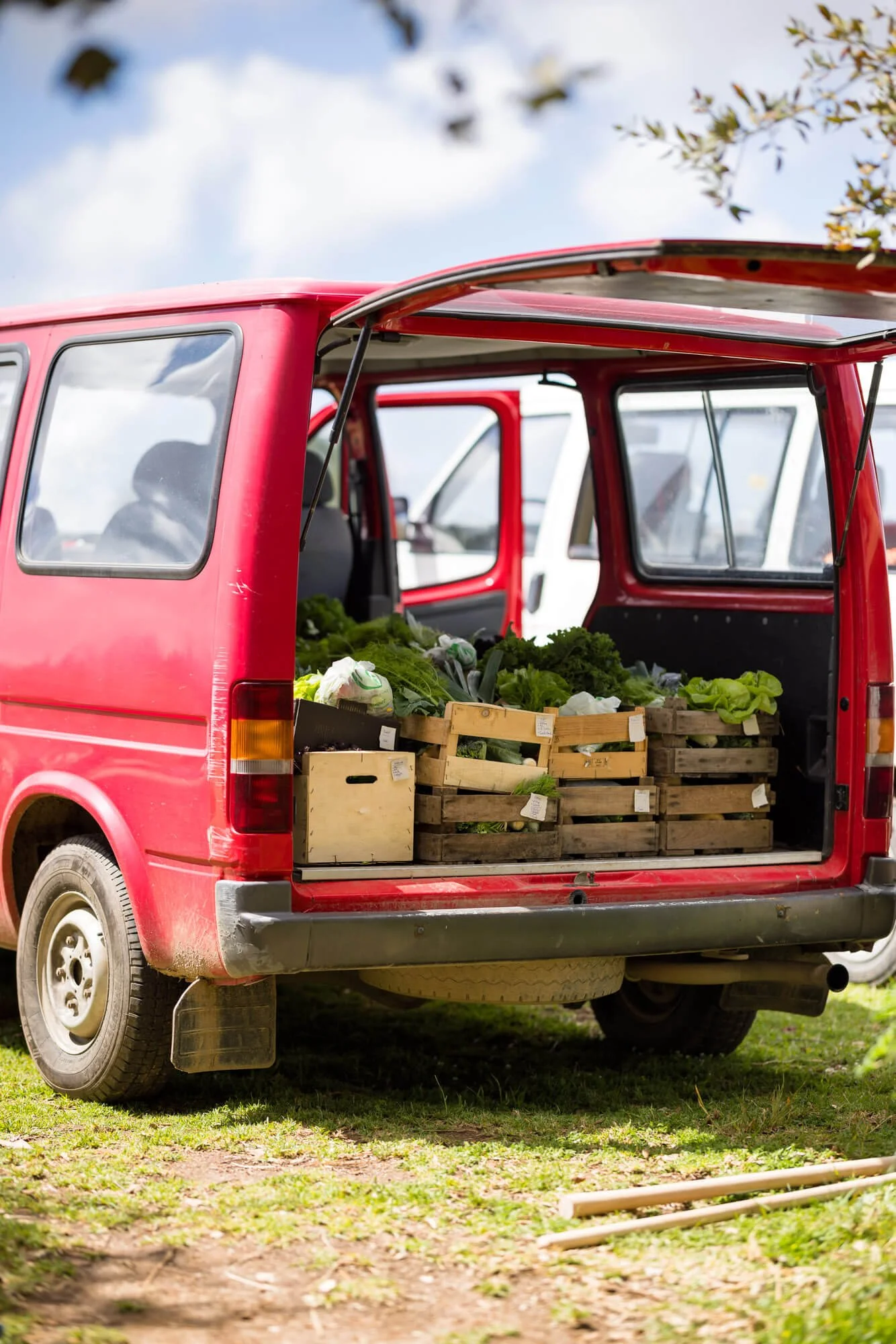
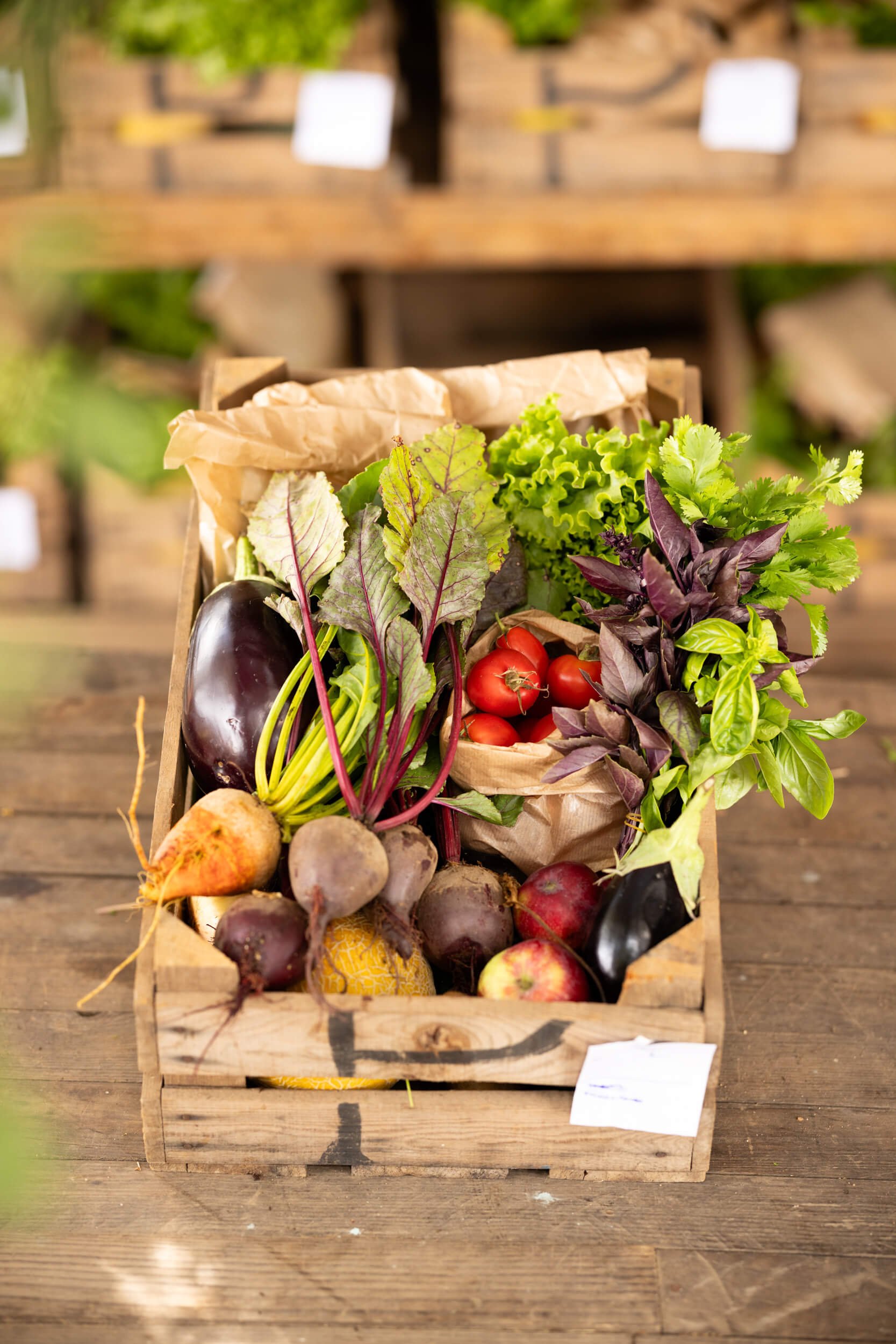
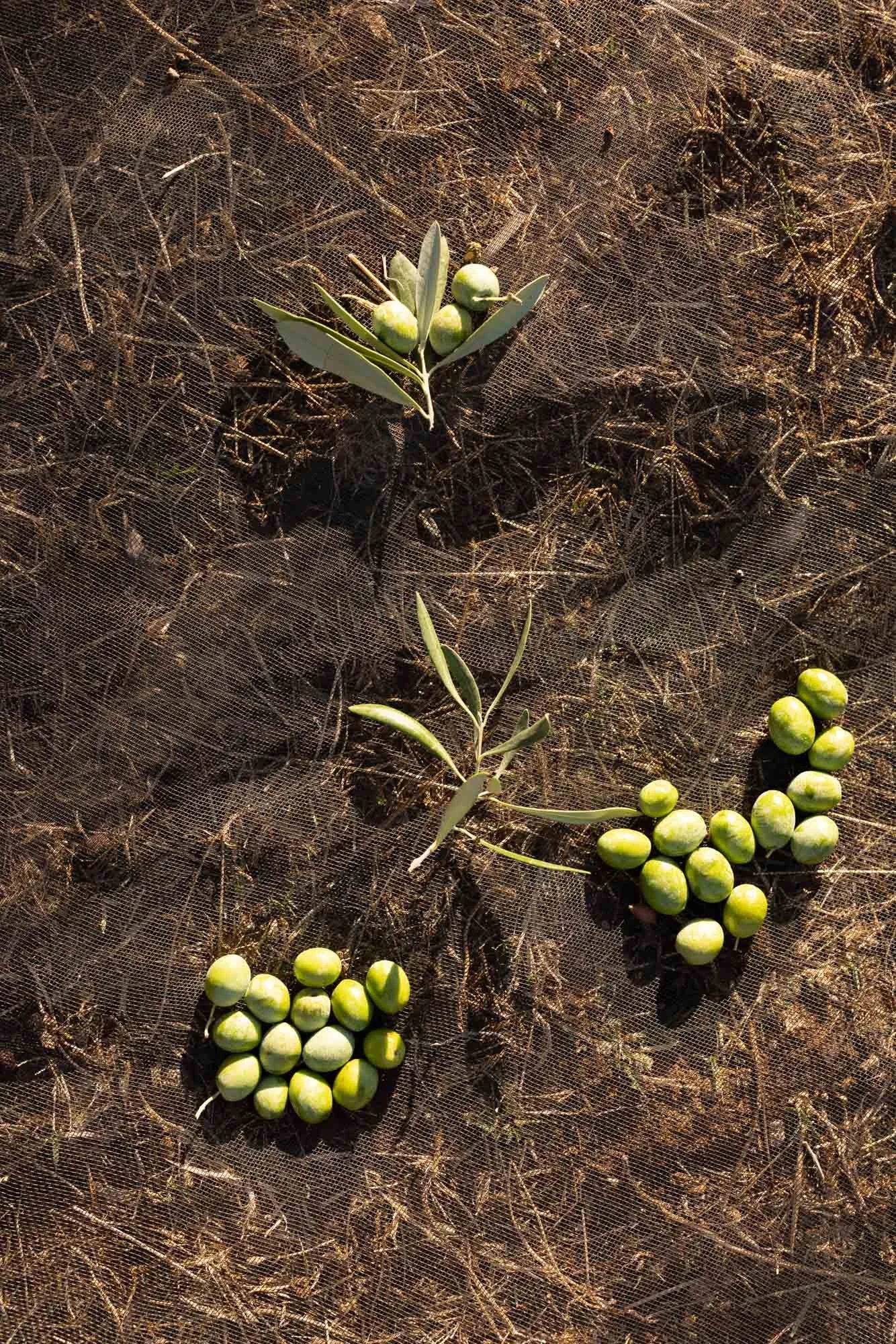
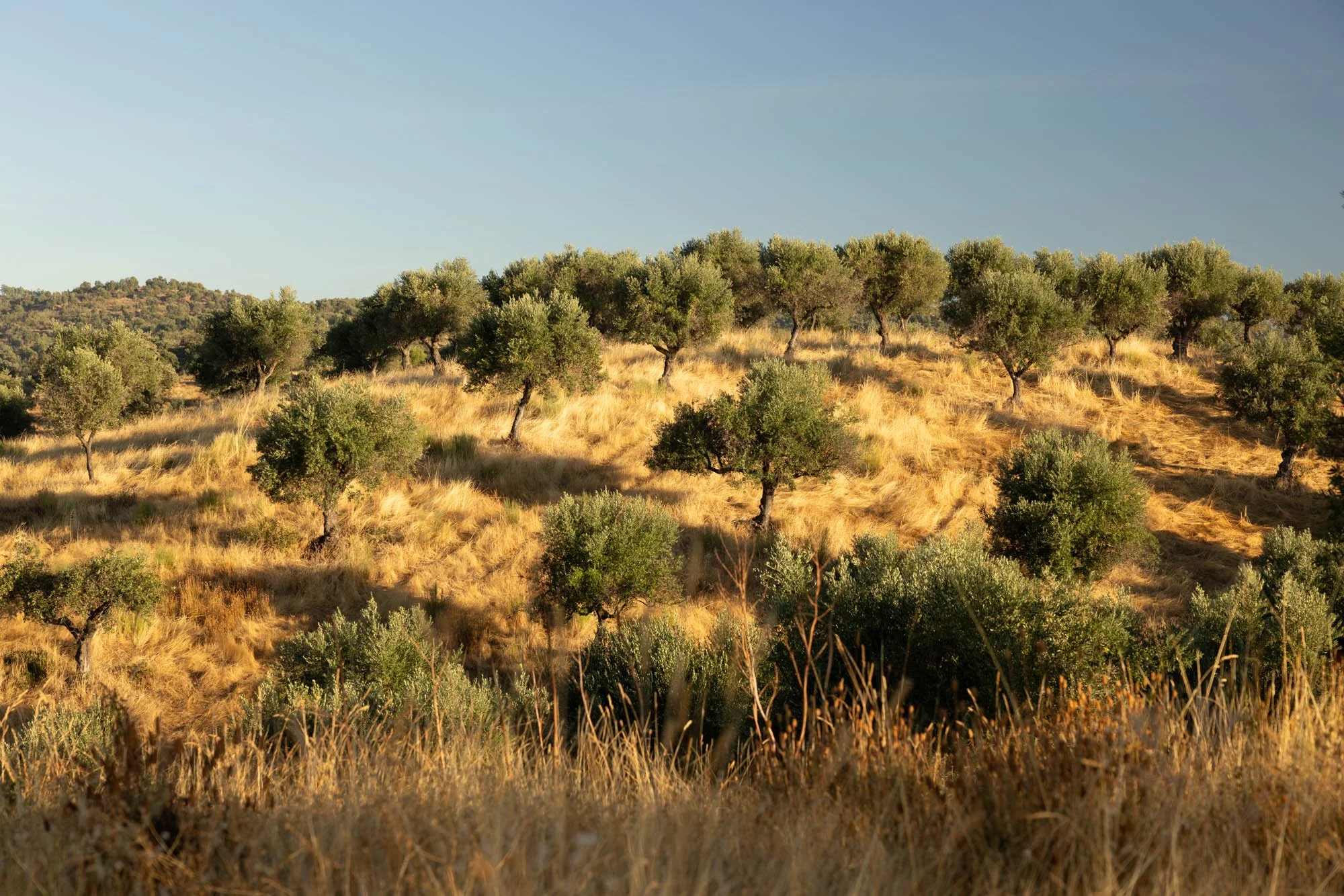
Vizinha - Regenerative Farm
Ericeira - Portugal
Ella, Dylan and Sophie farm regeneratively just outside Ericeira and run a cooperative cafe with what comes off the land. They work on the basis that regenerative farming is about people as much as soil, which is easy to say and harder to actually build. Friends of mine since I moved here.



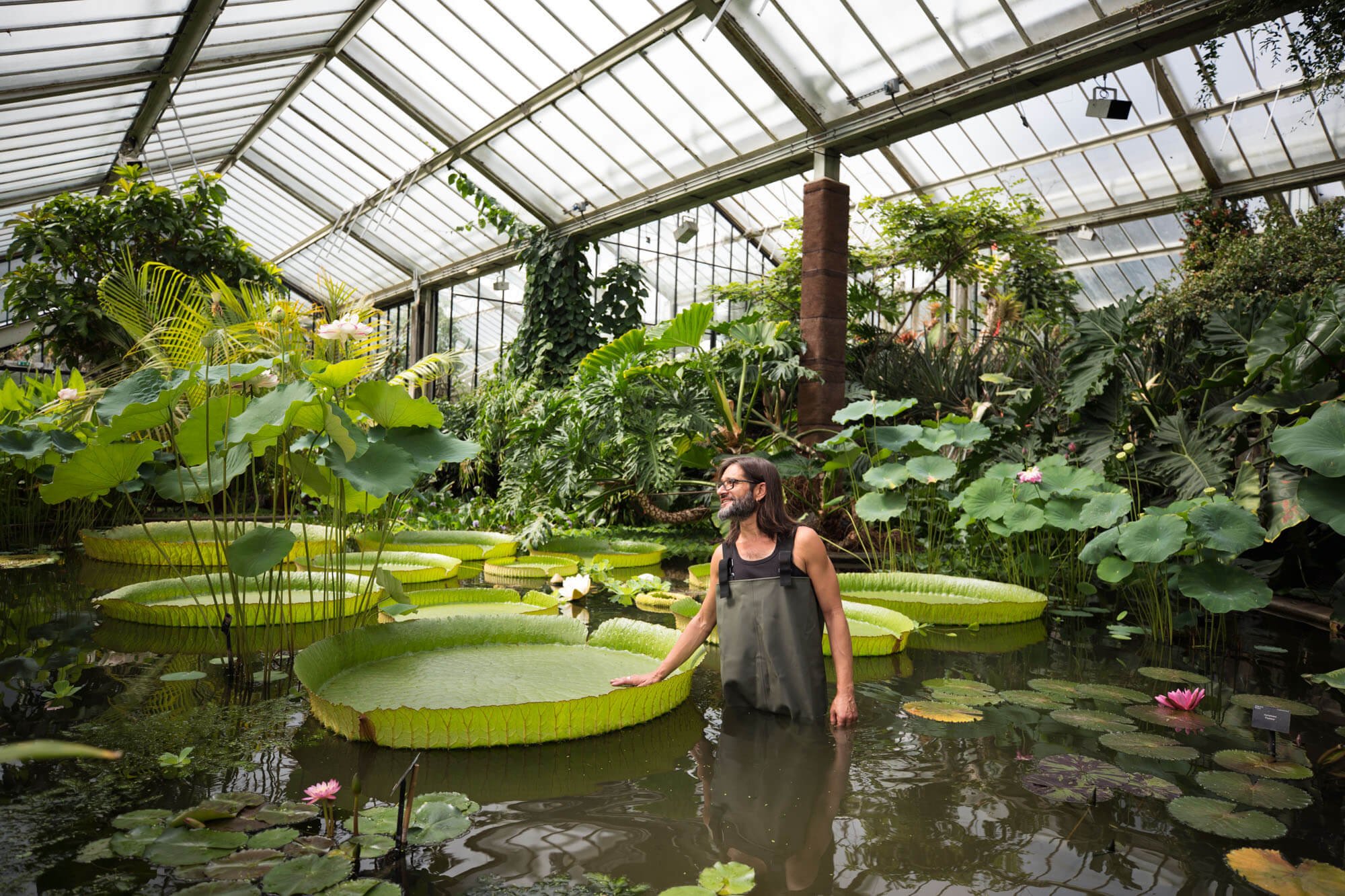
Carlos Magdalena - aka The Plant Messiah
Kew Gardens - London, England
Carlos came to plants as a child, on his parents' fruit-and-veg plot in northern Spain, and has kept his hands in the soil ever since. Now tropical senior horticulturist at Kew, he spends his days working out why the rarest species refuse to grow, and then, patiently, getting them to. He brought the café marron back from a single surviving tree, and kept the world's smallest waterlily from vanishing. His nickname, The Plant Messiah, was coined by a Spanish newspaper reporting on his work.


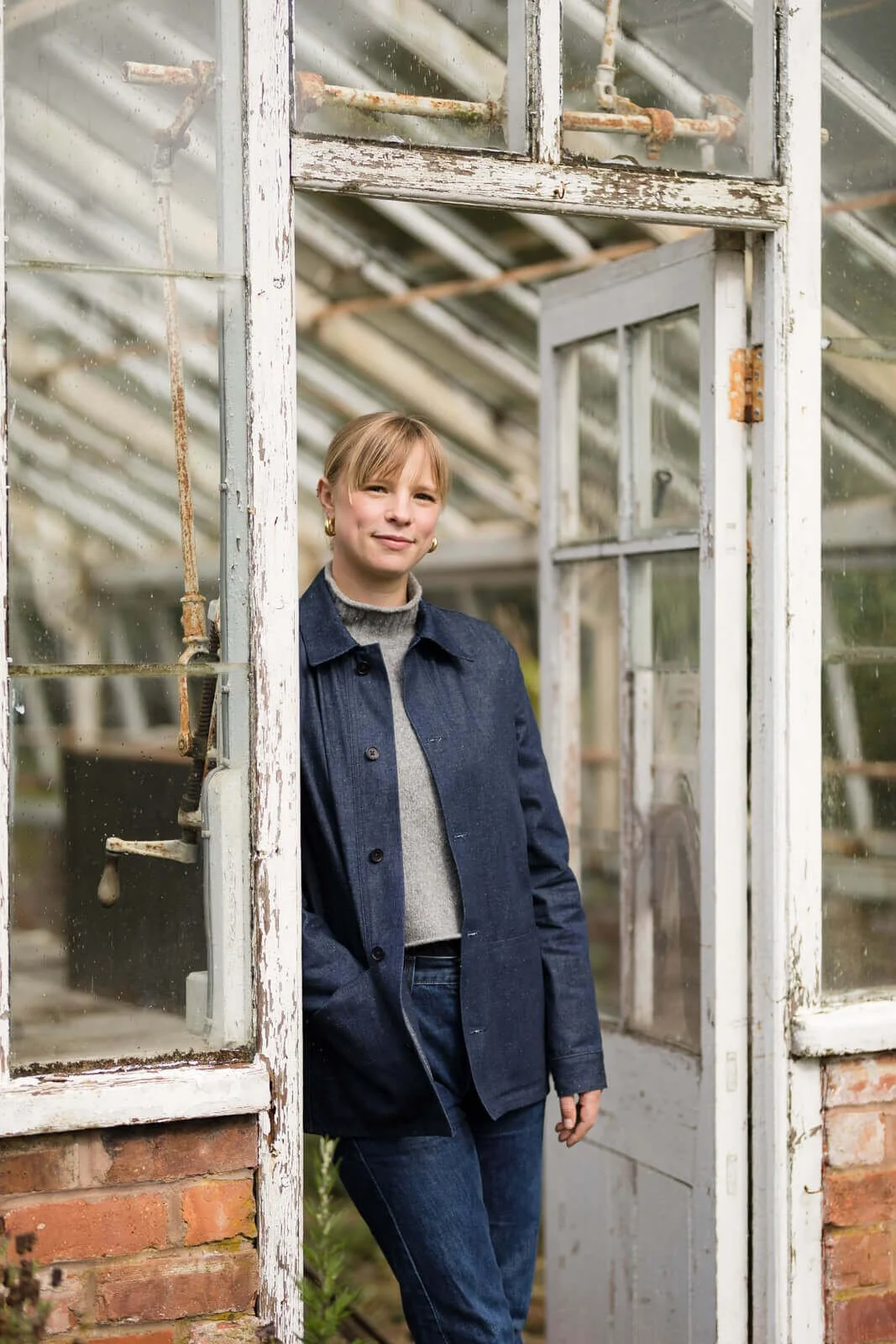
Xanthe Gladstone - Organic Grower and Chef
Hawarden Estate - Wales
Xanthe grows organically in a Victorian walled garden in North Wales, and runs workshops and supper clubs out of it. She grew up outdoors in Scotland, followed her friends to London and a marketing job, and worked out fairly quickly that it wasn't for her. So she left, moved to Wales, and put her hands in the soil.




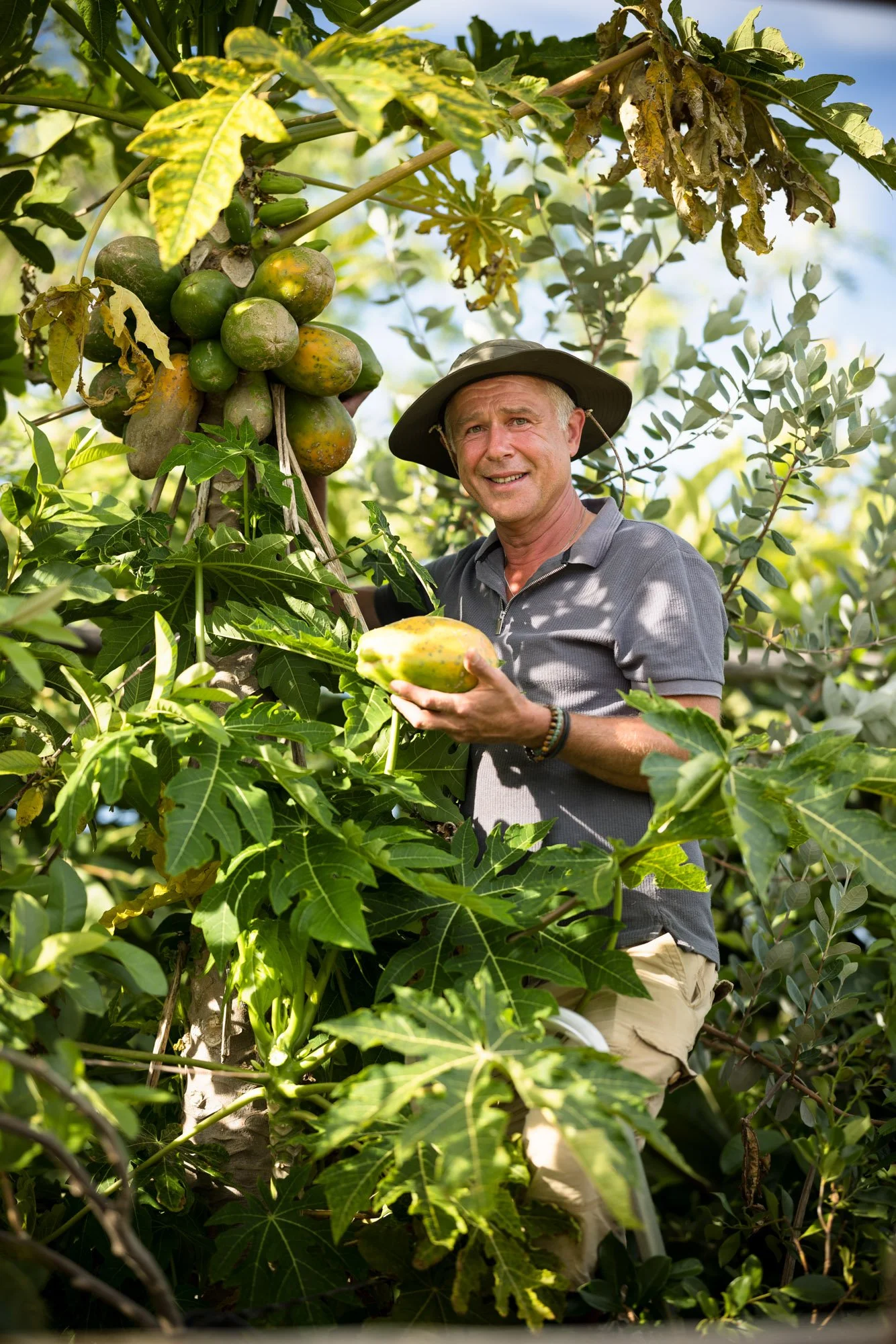
The Orchard of Flavours - Botanical Garden
Tavira, Algarve - Portugal
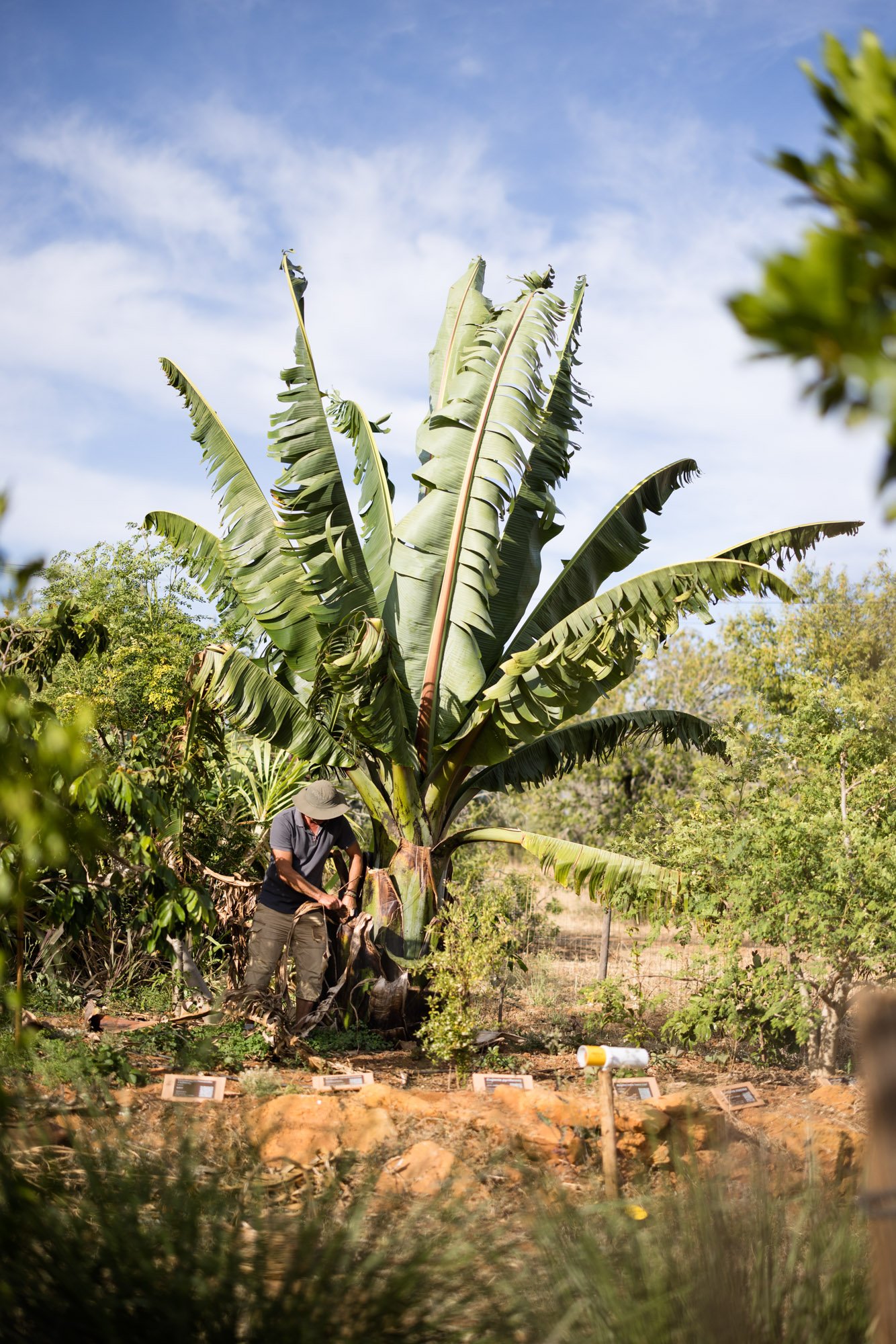
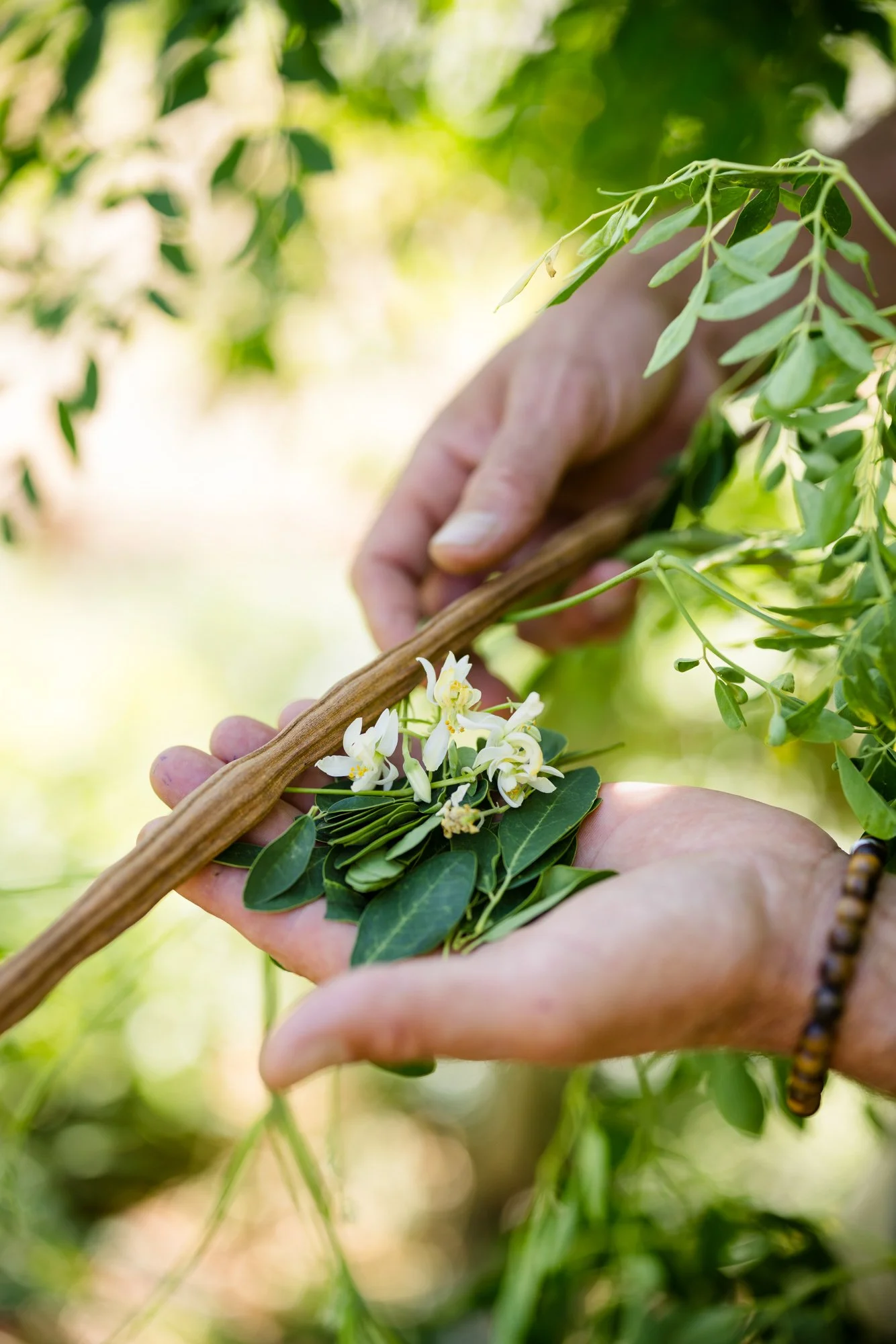
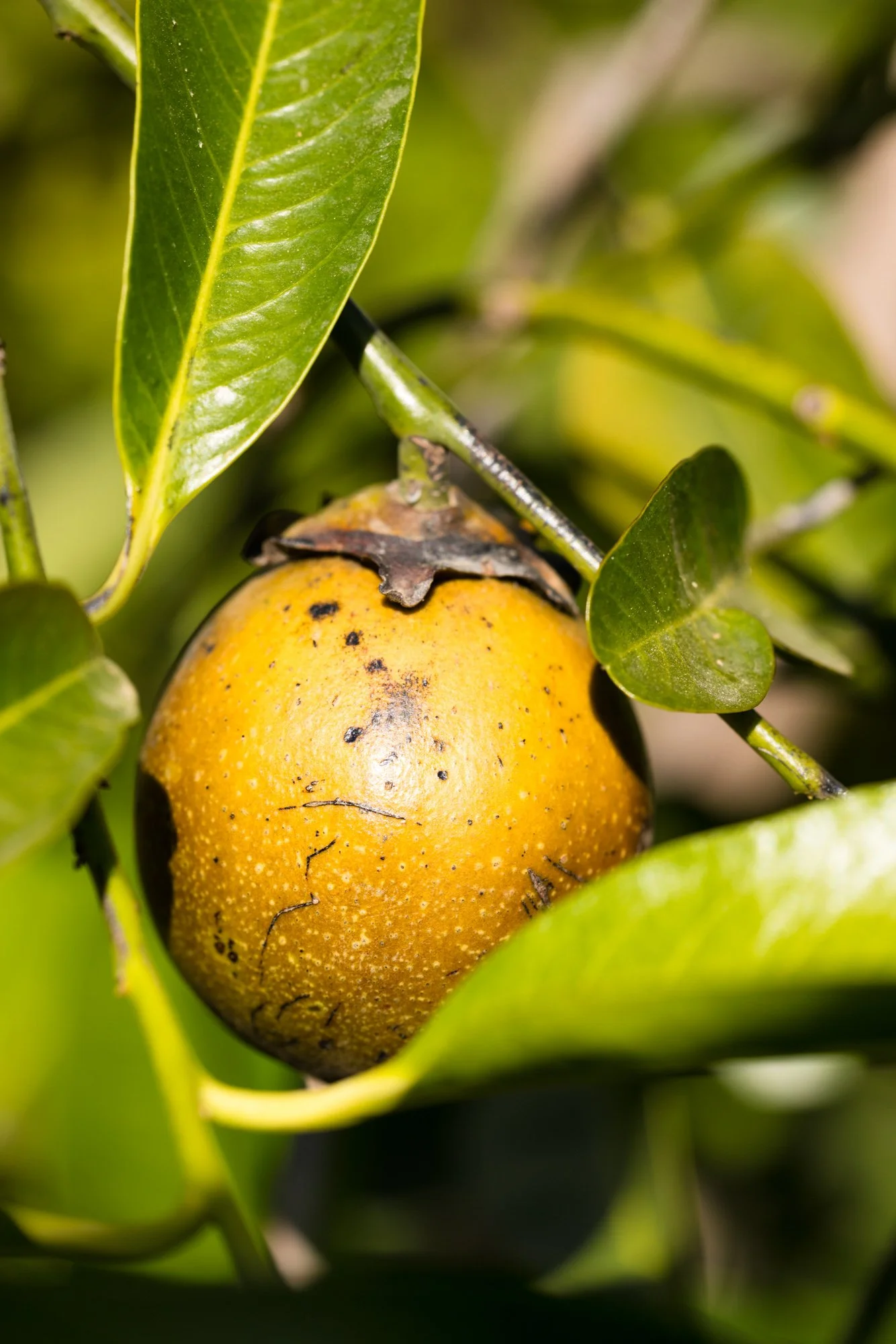
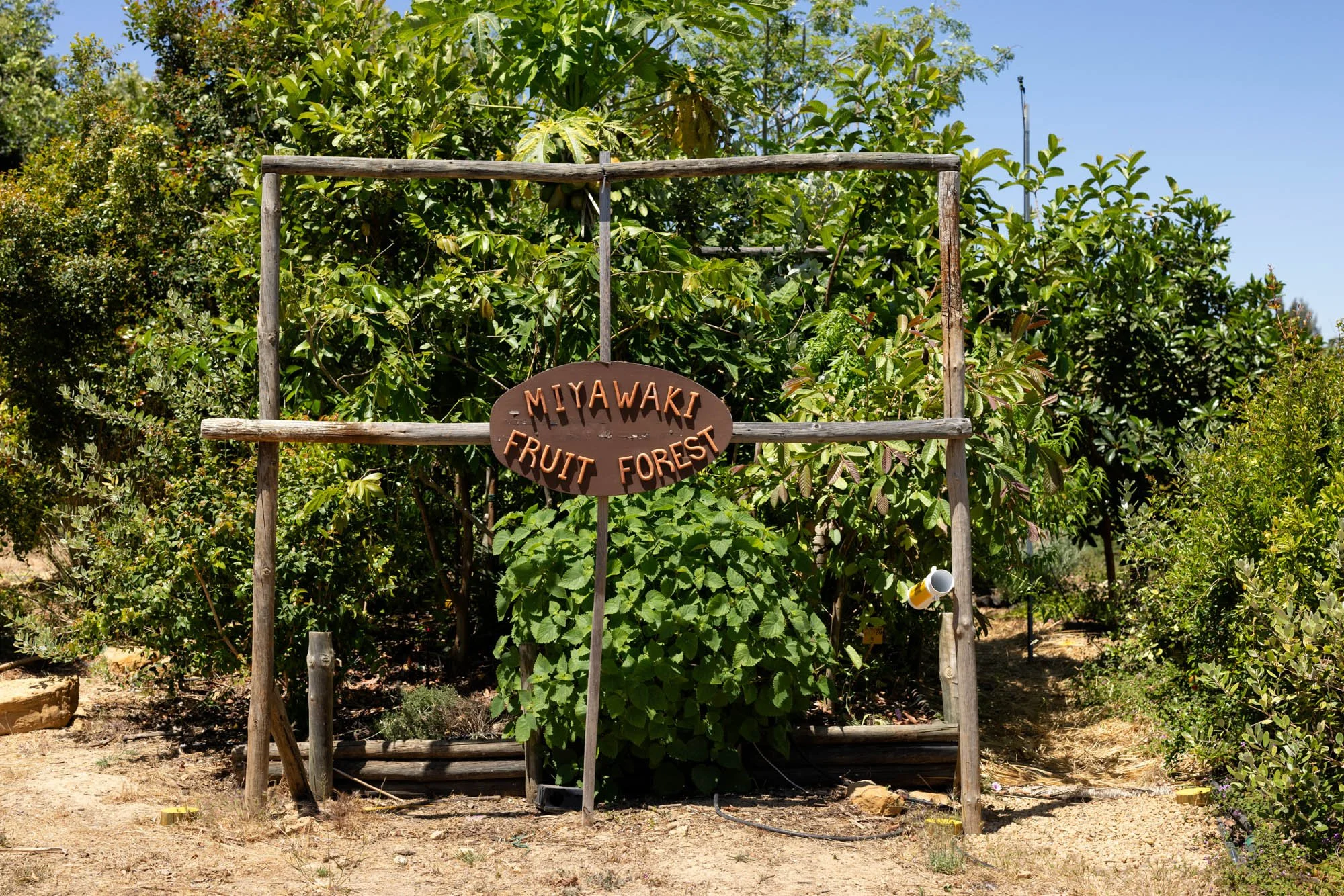
Miguel's orchard just outside Tavira is a garden you can eat: over four hundred fruit tree species, rare and forgotten varieties among them, grown as a living experiment in what will still thrive as the climate shifts. He's testing which edible plants tolerate salt, poor soil and little water, and sharing whatever he learns for free. The rest of the time he's showing people round — connecting them to nature, as he puts it, through the things you can pick and taste.
Yugen Forest - Regenerative Farm
Dronten - The Netherlands
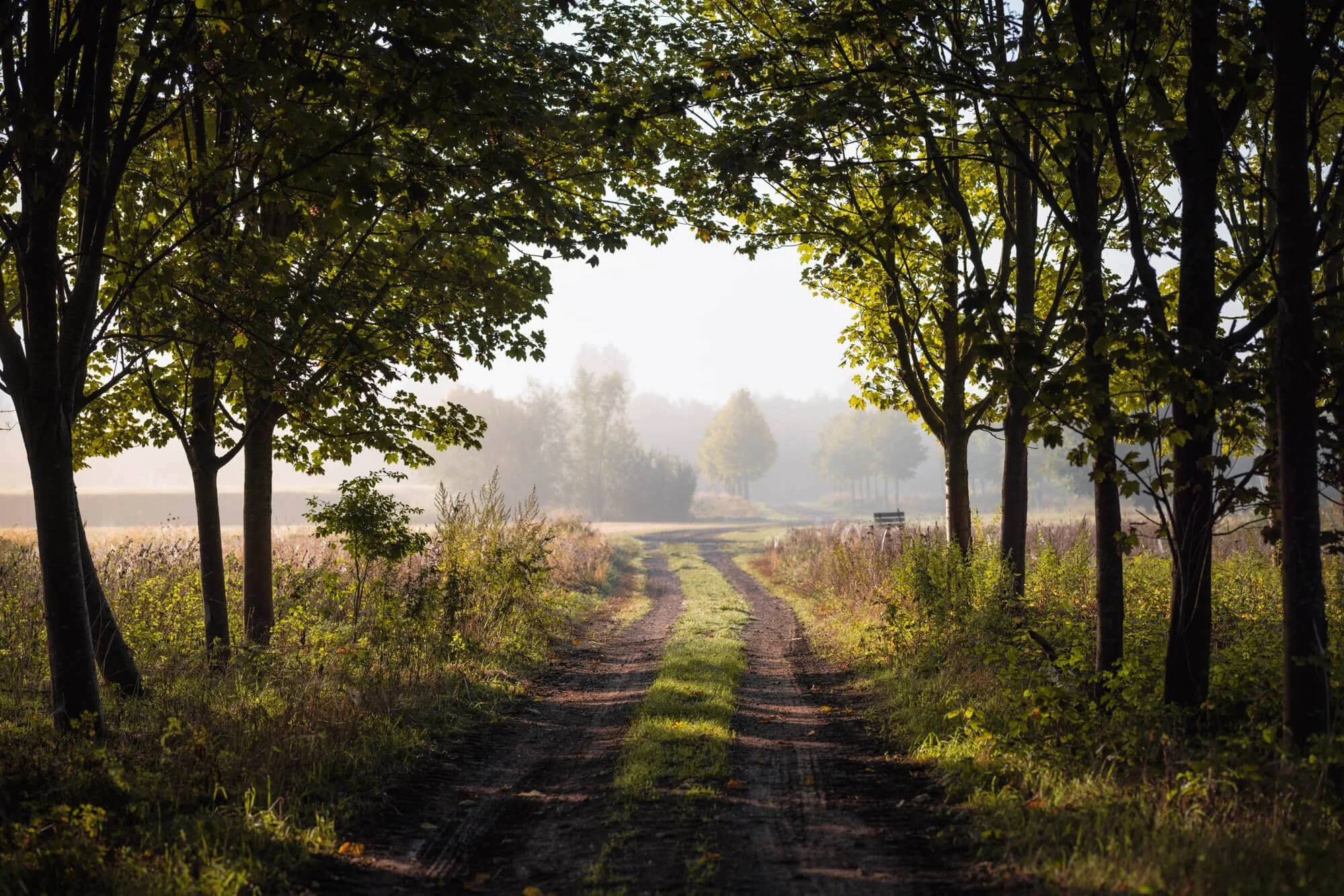
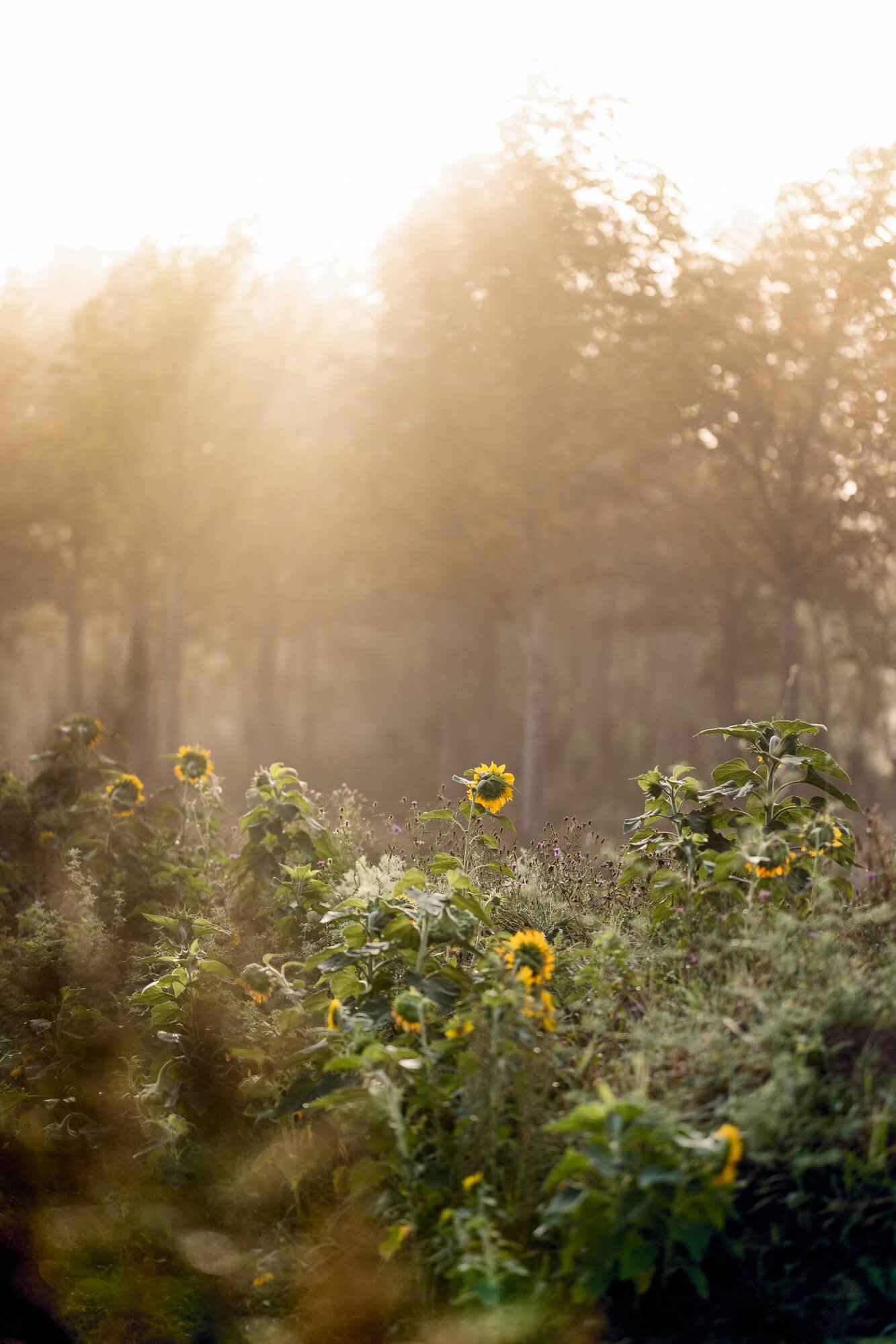
Fifty-two hectares of regenerative estate in the Dutch flatlands, run as a place for people to reconnect with the land: foraging walks, forest bathing, sweat lodges, nature work days. It is stewardship-owned rather than shareholder-owned, so the land cannot be sold off for a return.



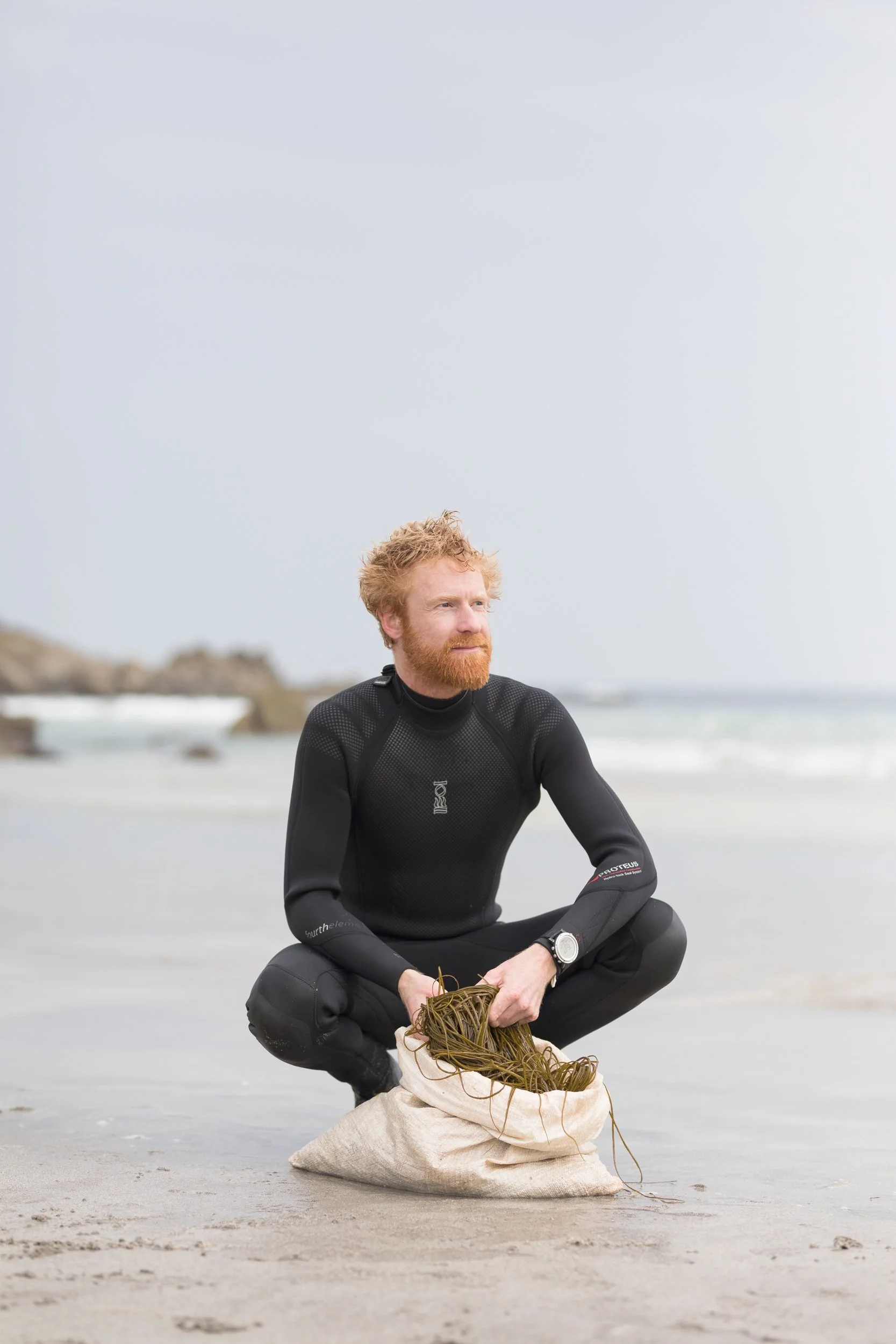
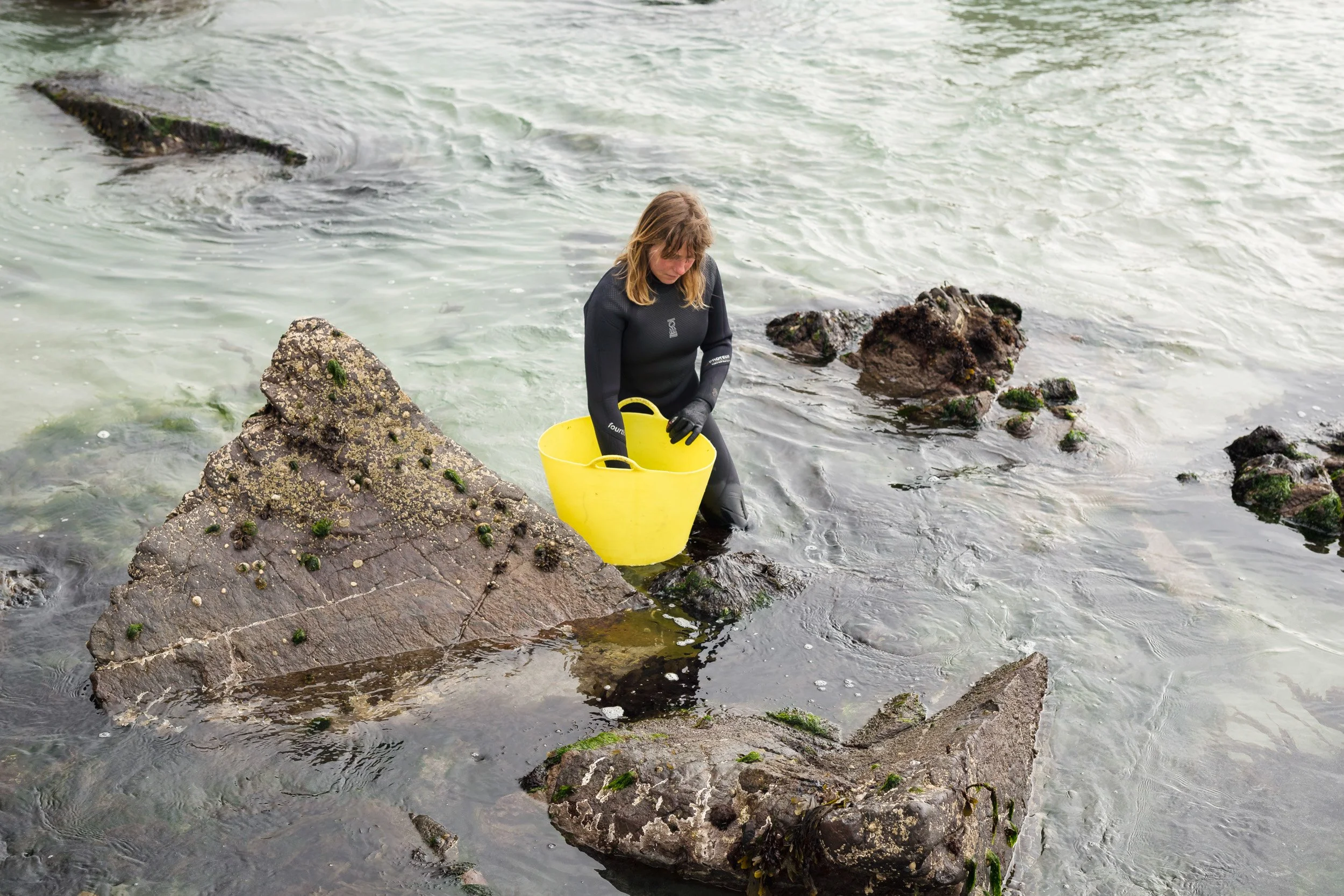
Tim & Caro - The Cornish Seaweed Company
Lizard Peninsula - Cornwall, England
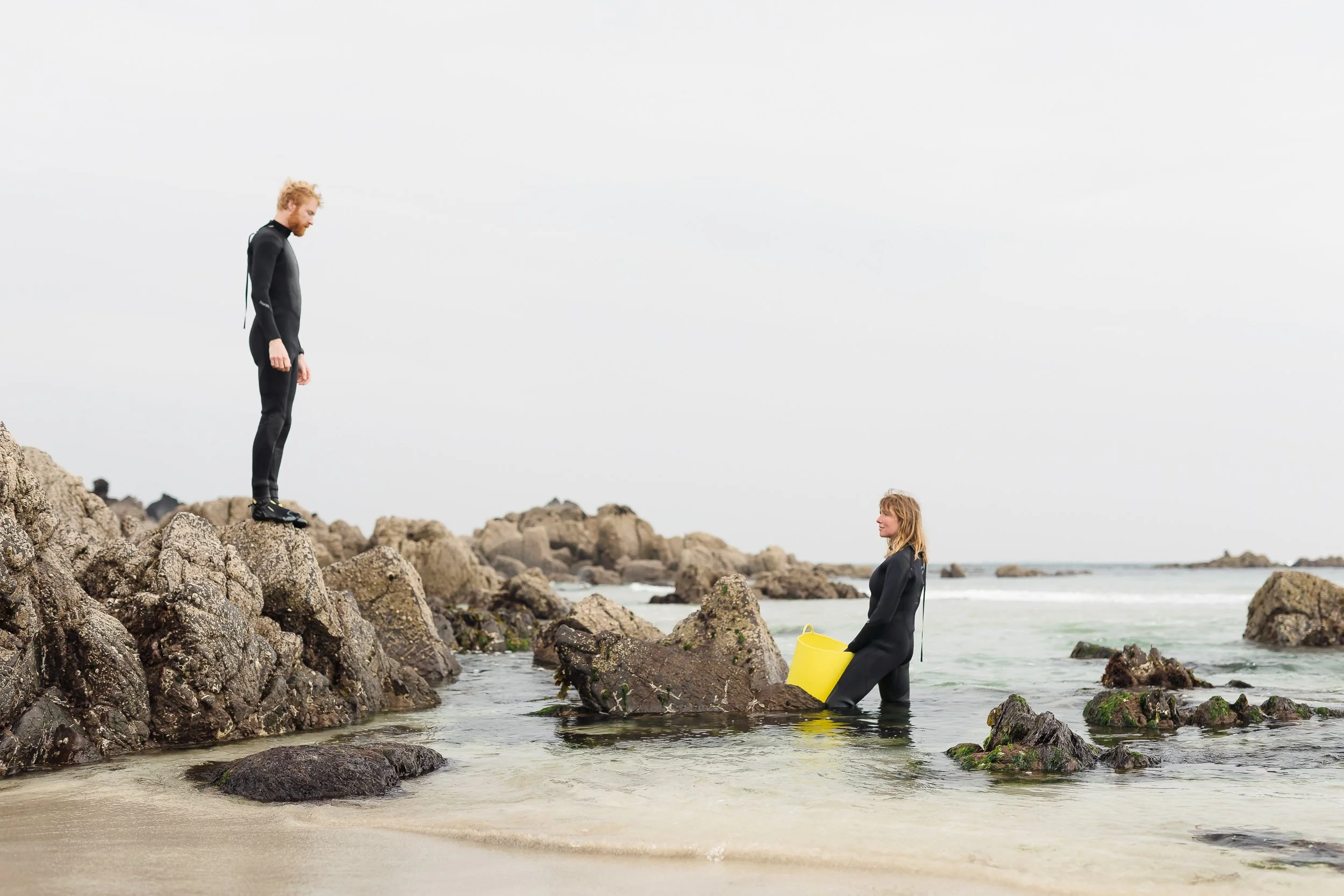
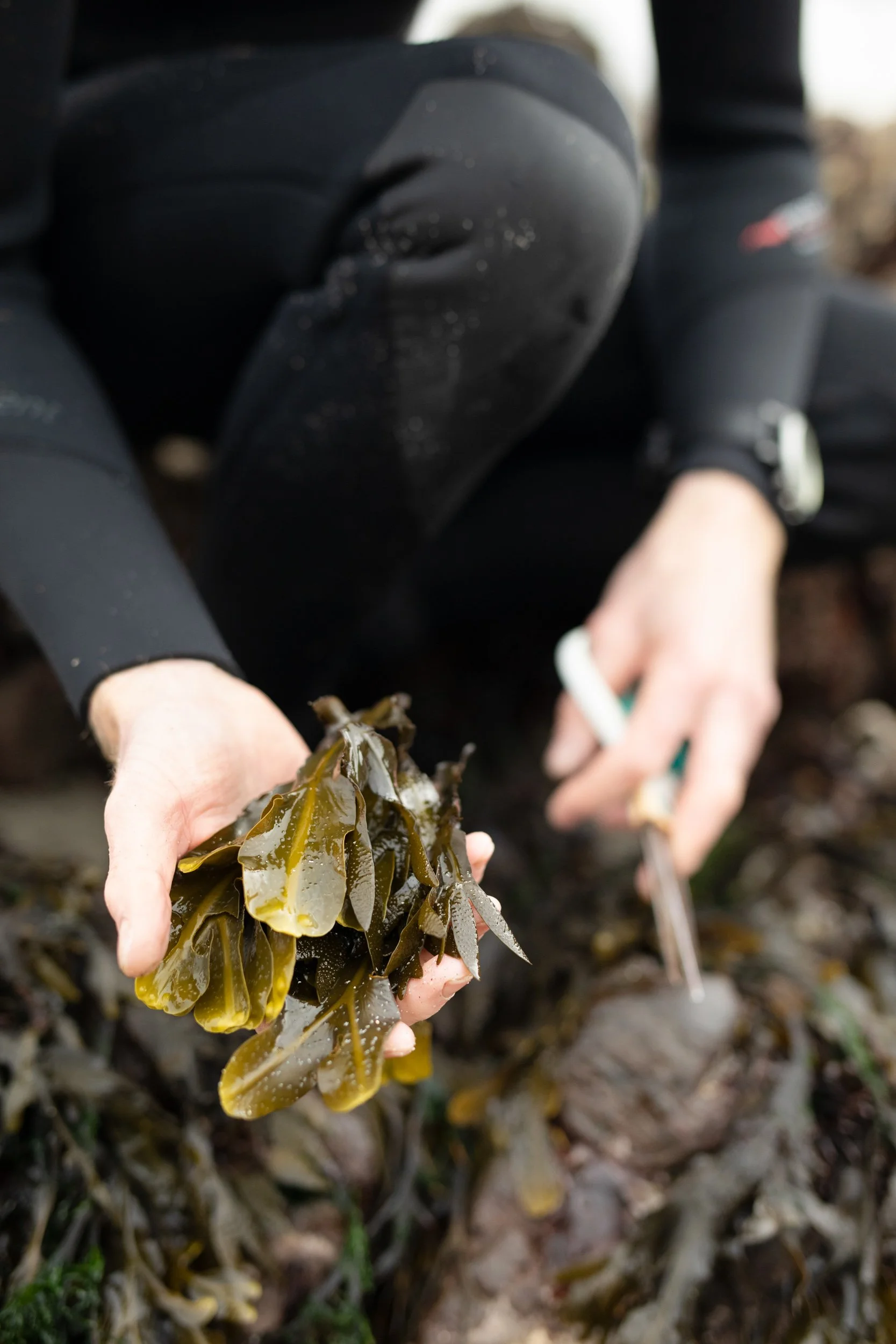
Caro trained as a renewable energy engineer and fitted off-grid systems in Borneo, Peru and the Philippines. Back in Cornwall after a bad accident, a documentary set her on seaweed. Tim came the long way from below-sea-level Holland, chasing wild places and conservation work, and stopped once Cornwall and its surf had him. Together they started the UK's first seaweed company, hand-cutting every frond with scissors off the Lizard and leaving it to regrow.




Vital Seeds - Open-pollinated Seed Producers
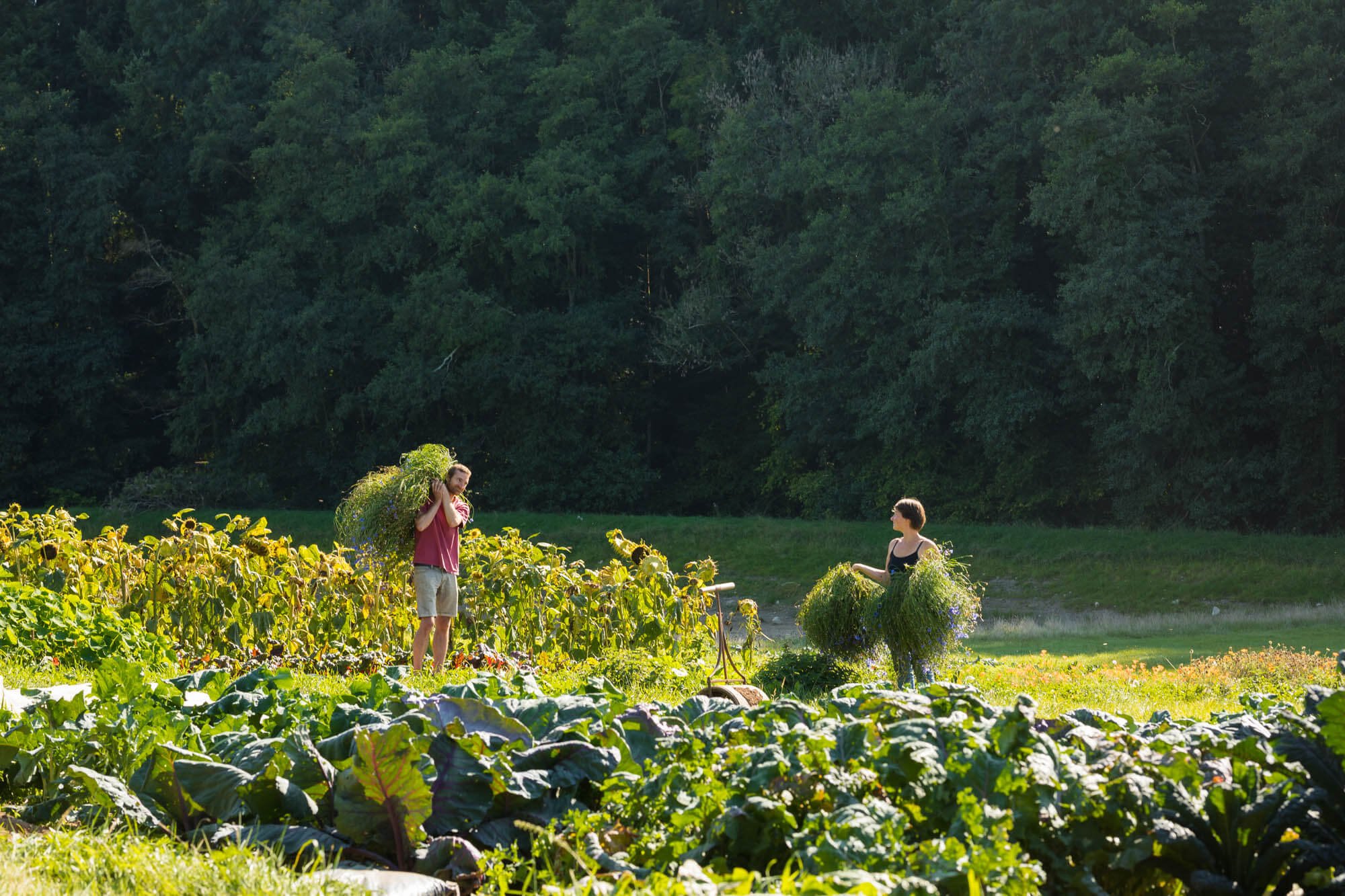
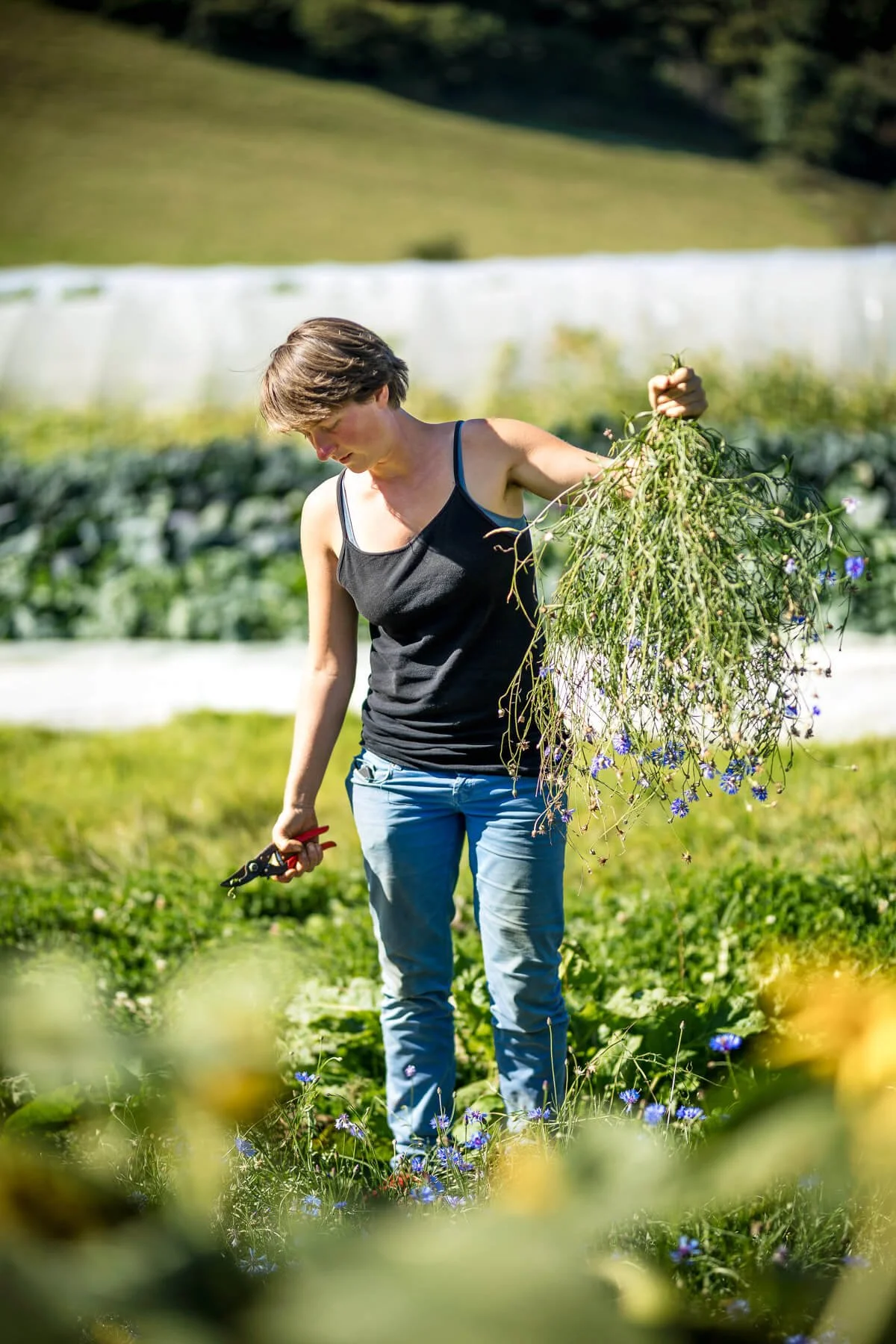
Ashburton - Devon, England
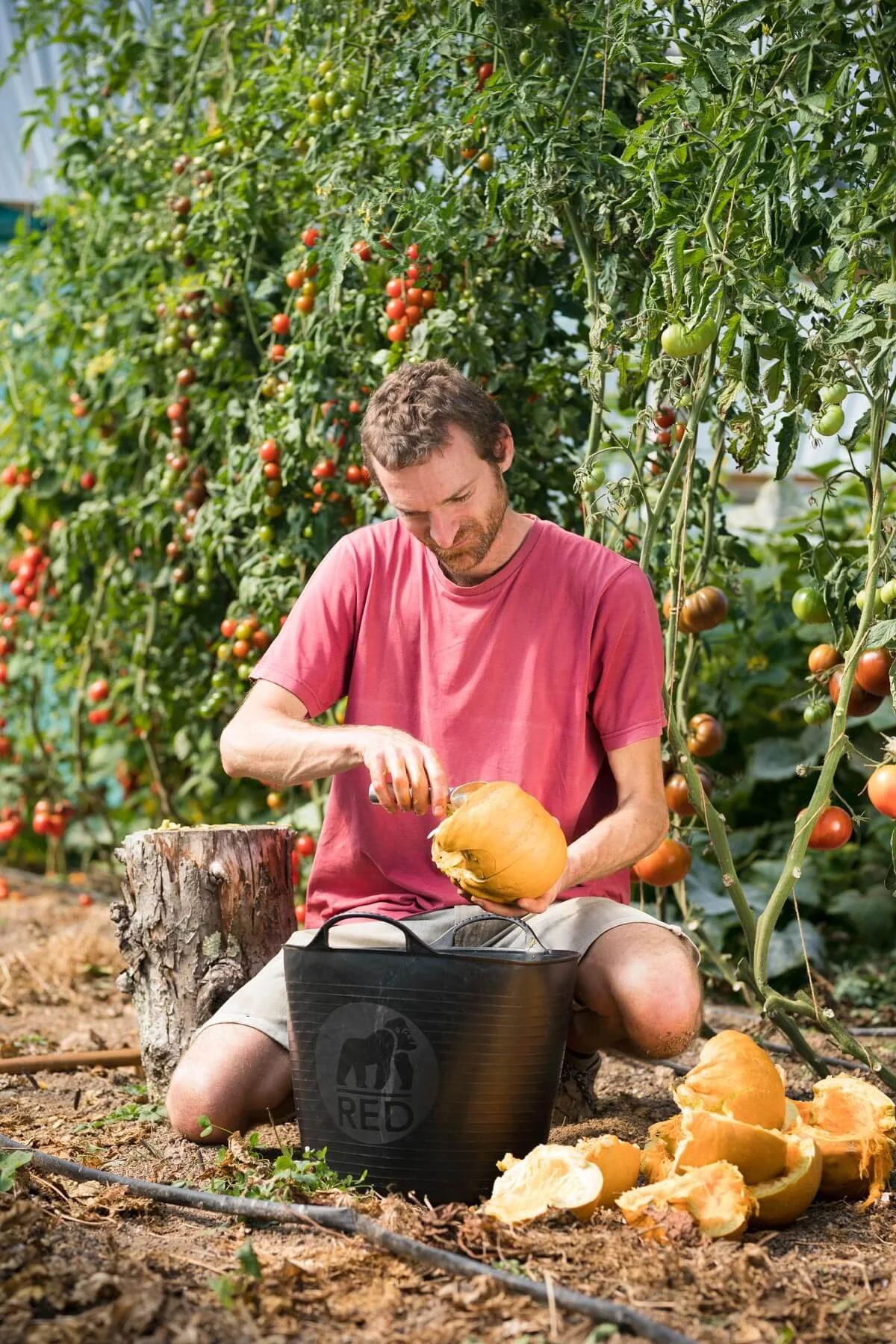
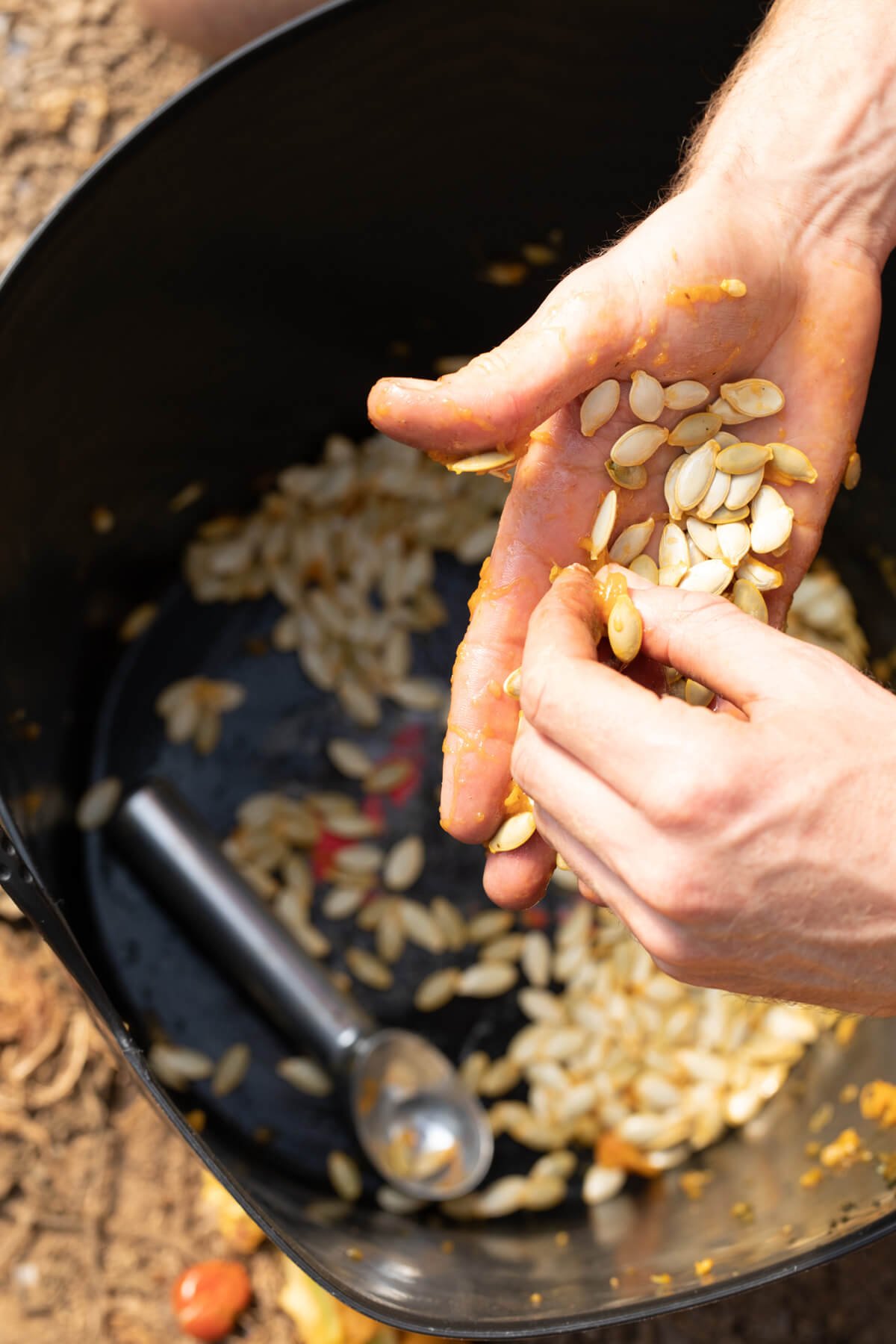
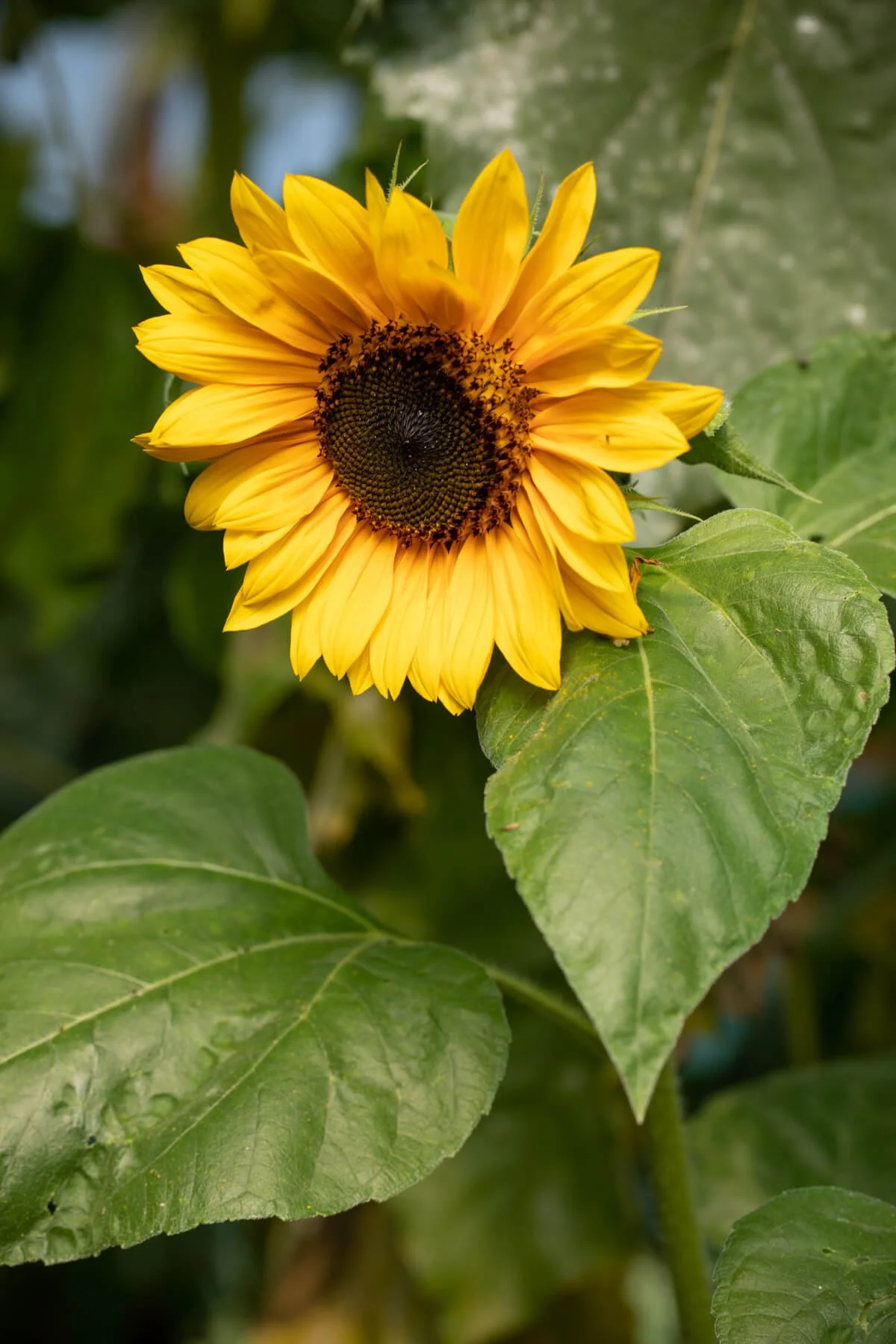
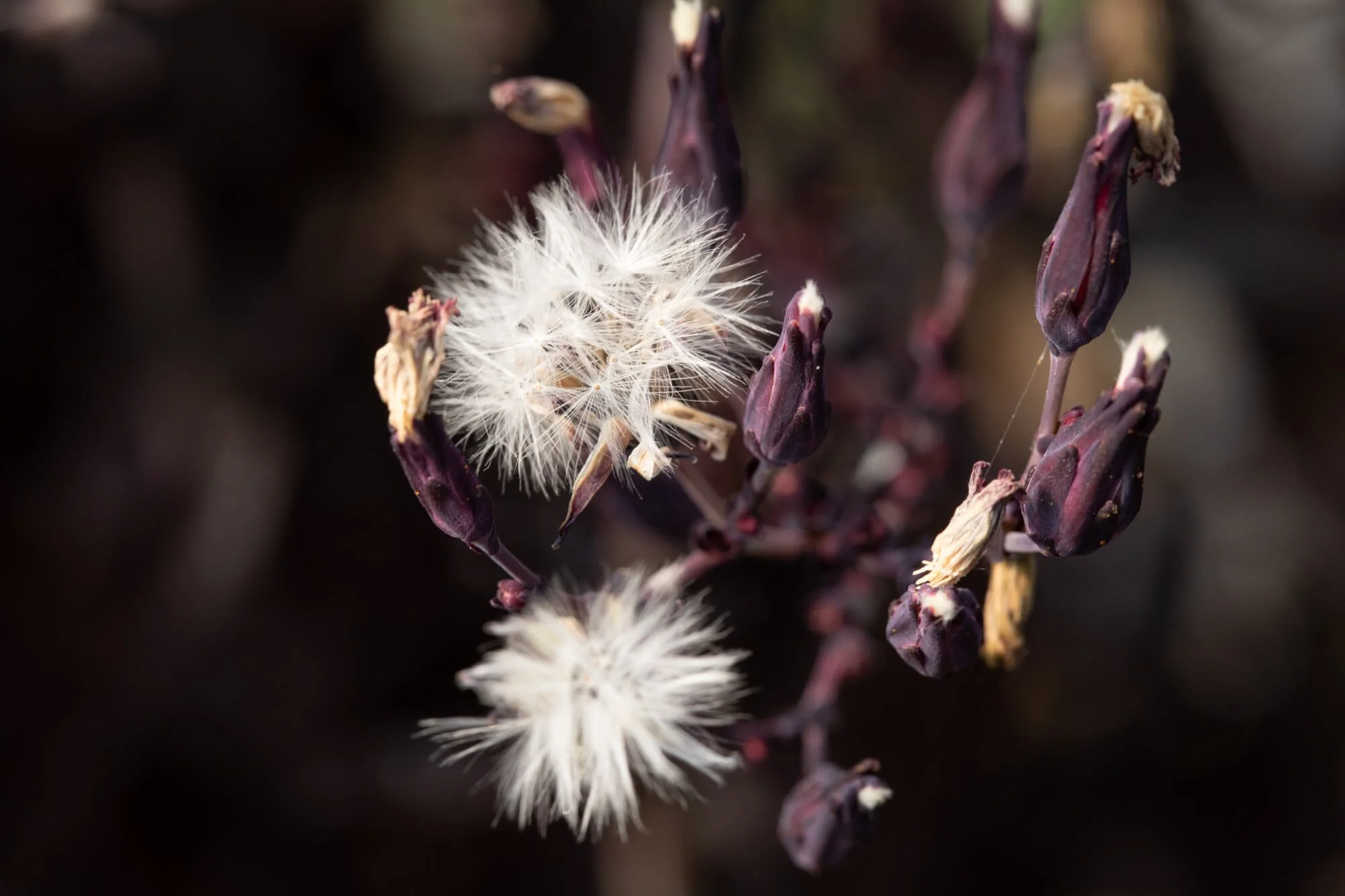
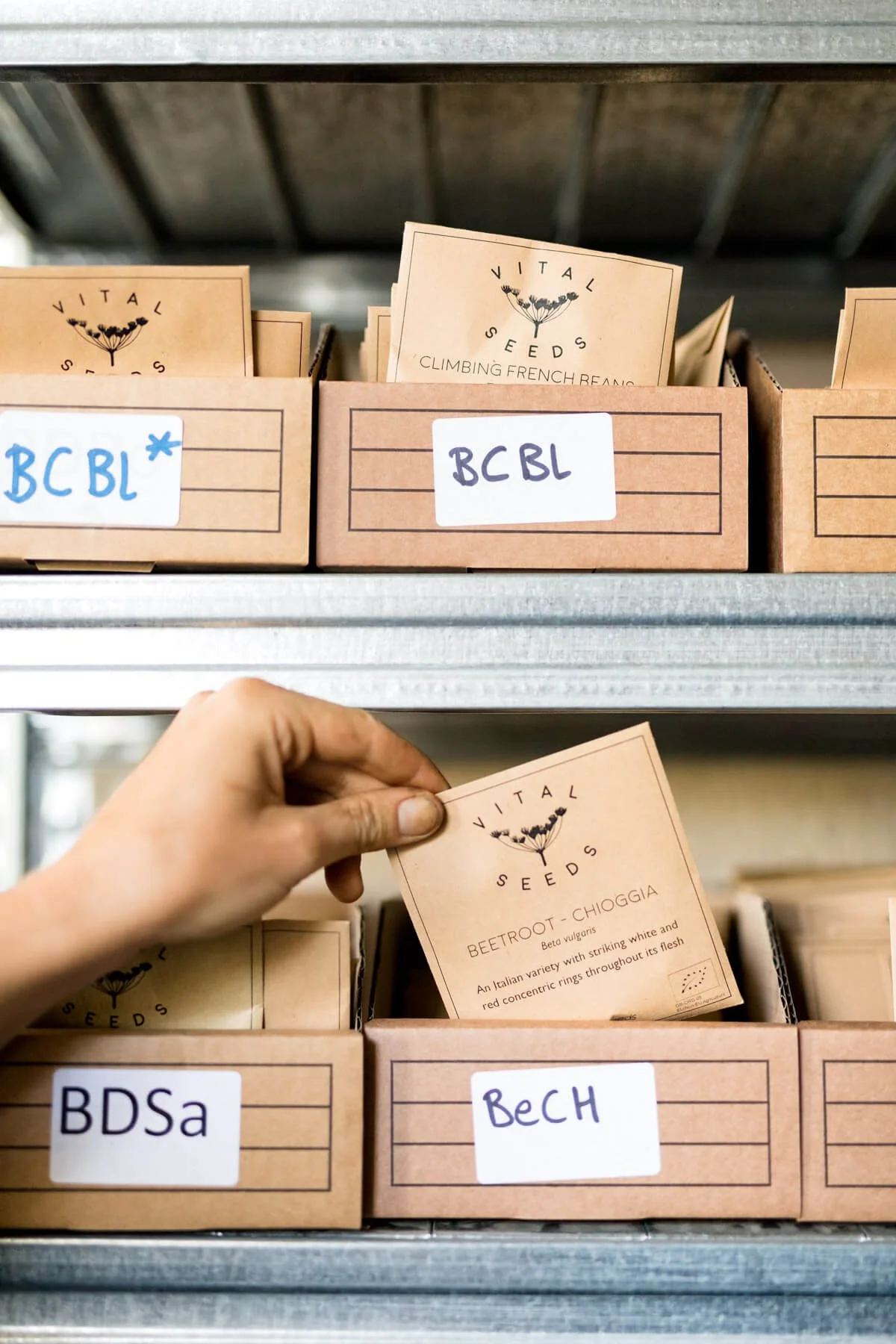
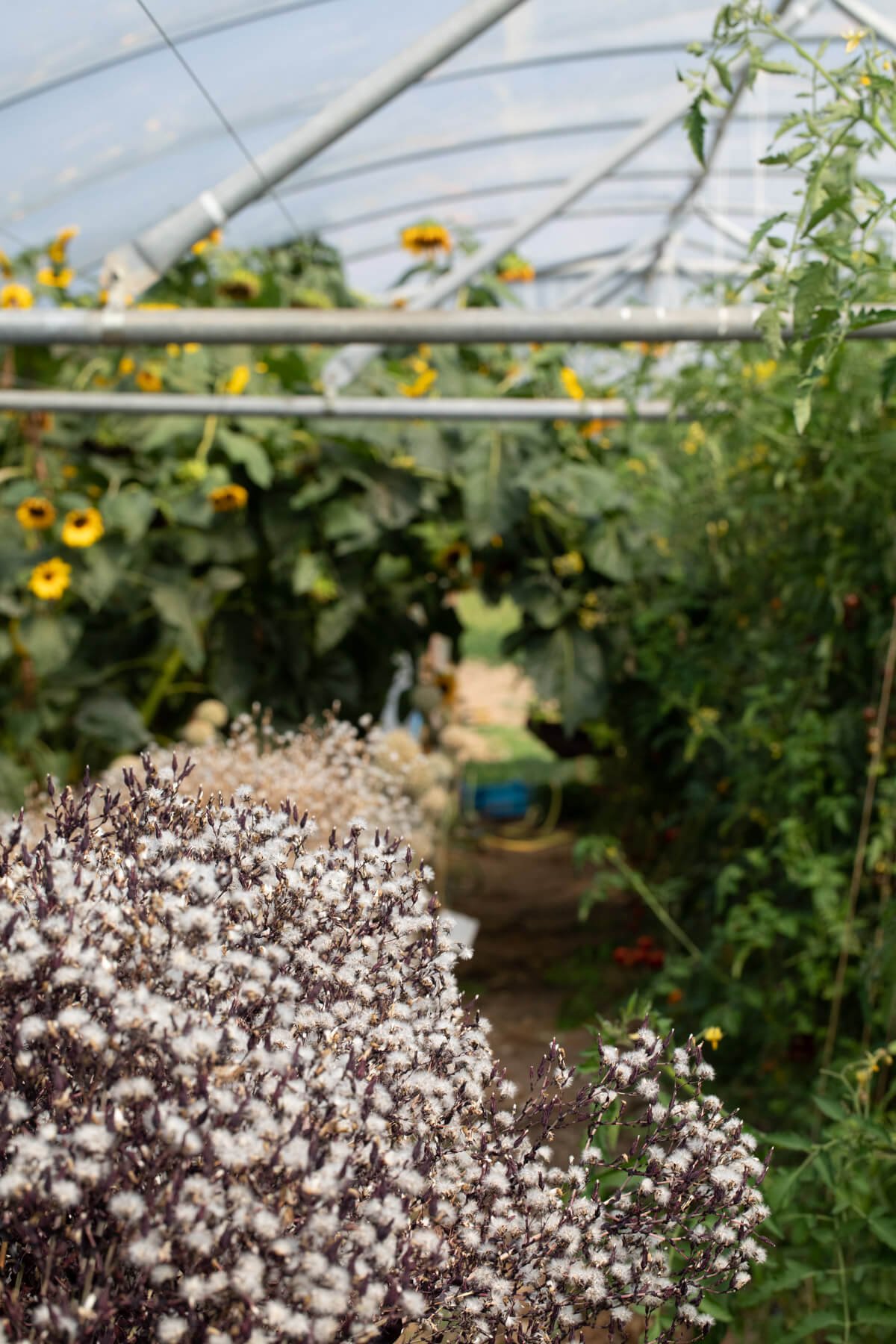
Fred Groom and Ronja Schlumberger grow open-pollinated seed on a small organic holding in Devon. In the last century we have lost ninety per cent of the diversity in our food crops, largely to industrialised agriculture and proprietary hybrids, and their work is a direct answer to that: varieties gardeners can save and sow again, suited to the climate they are actually growing in.


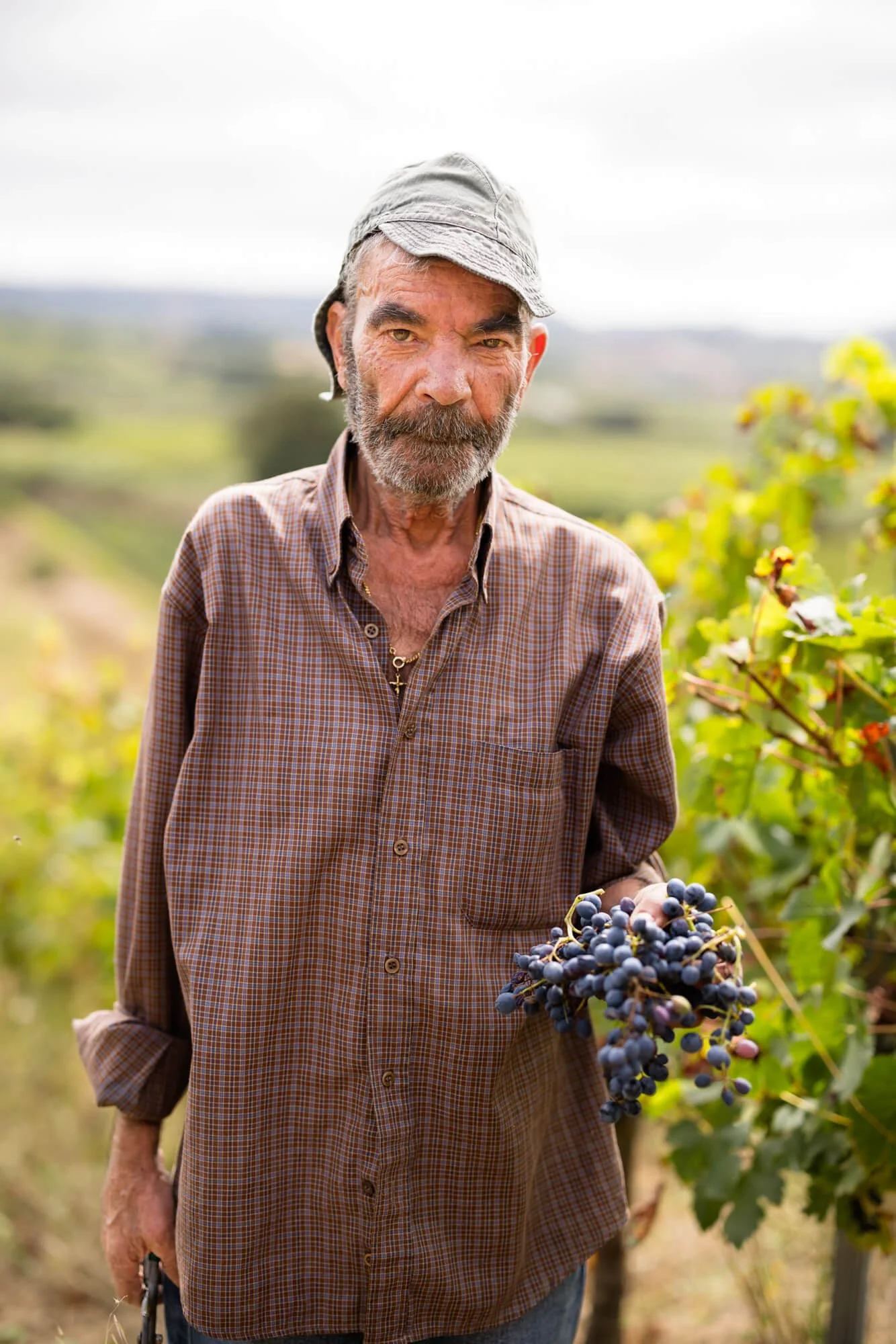
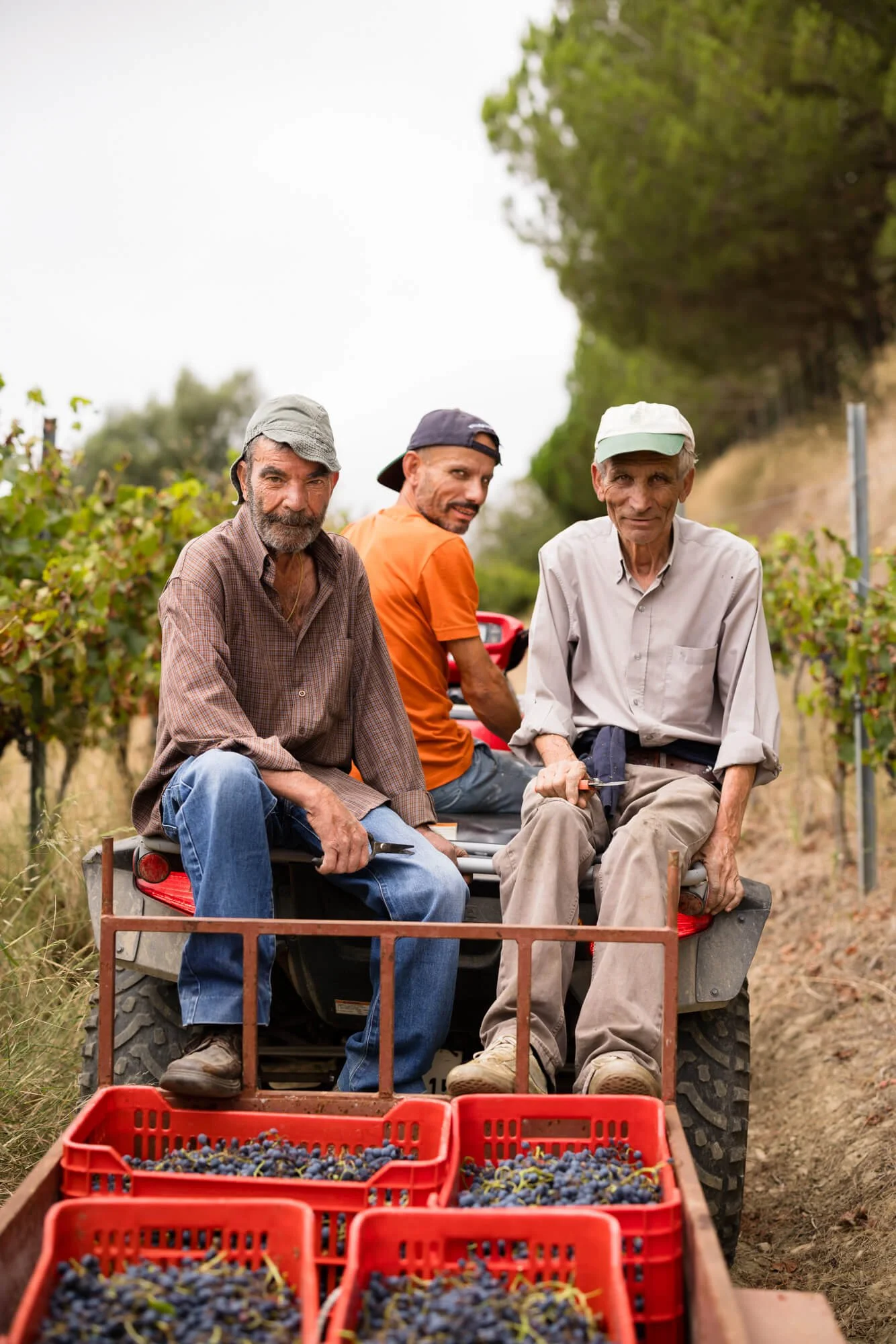
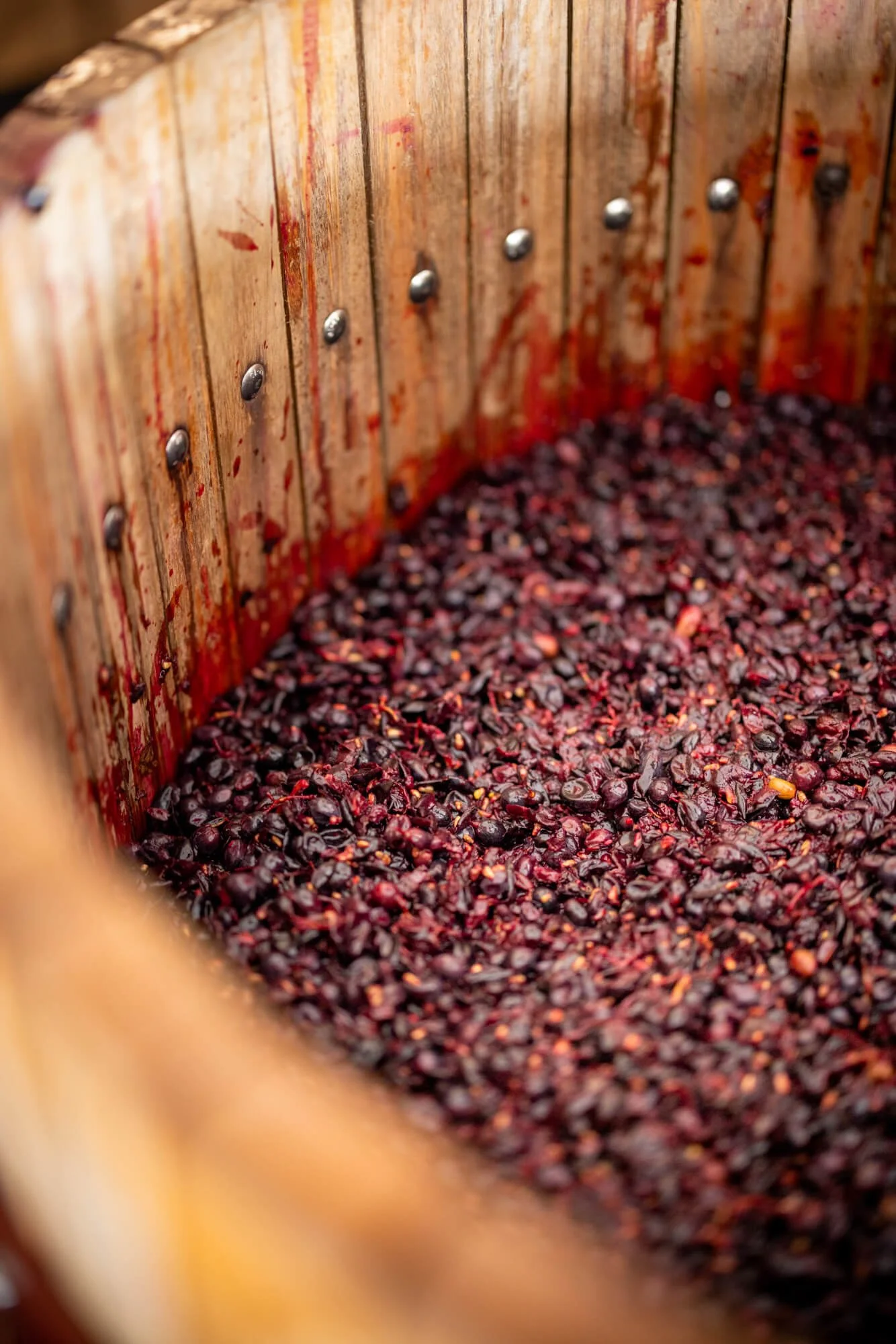
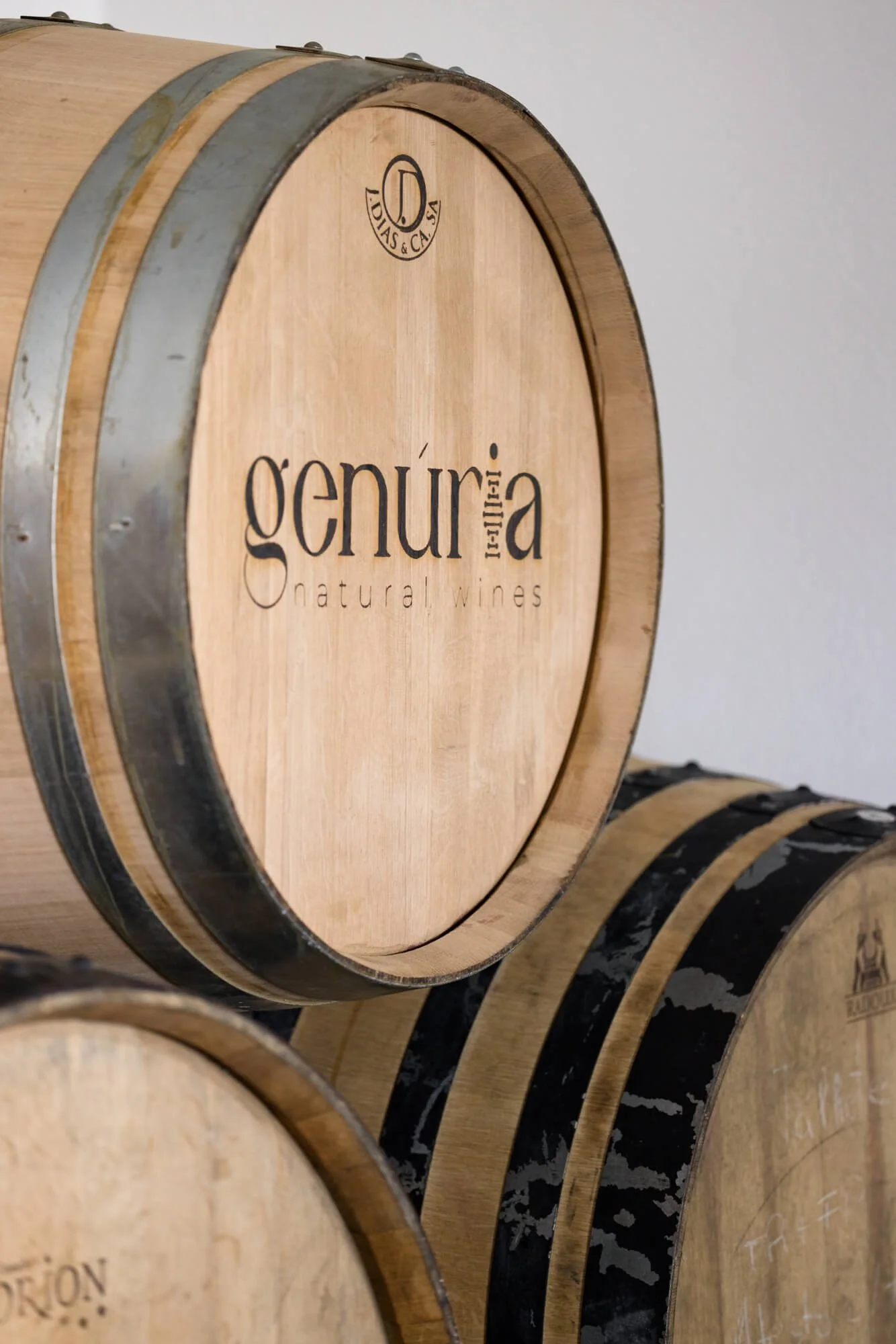
La Di Da Di - Natural Wines
Penalva do Castelo - Dão, Portugal
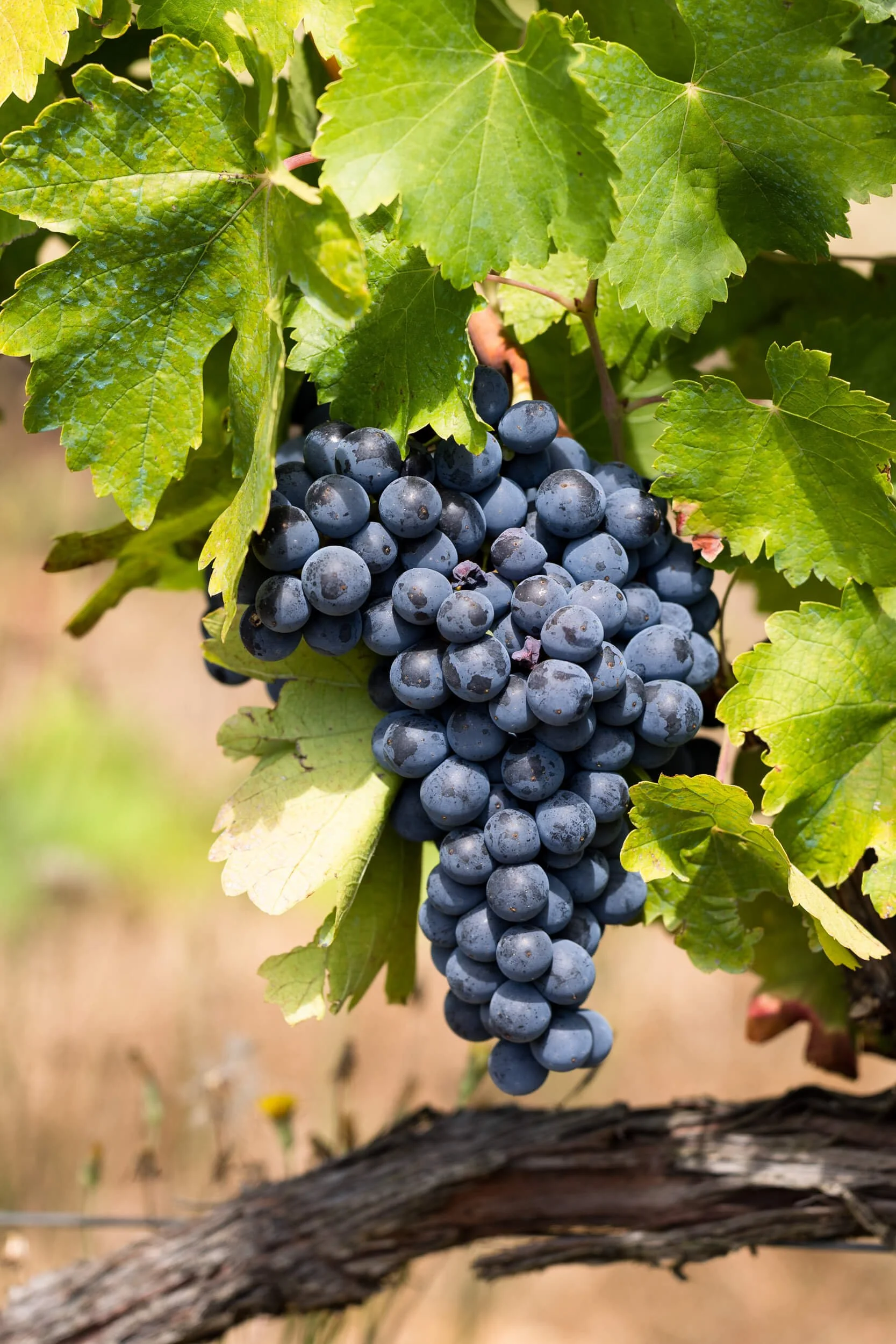
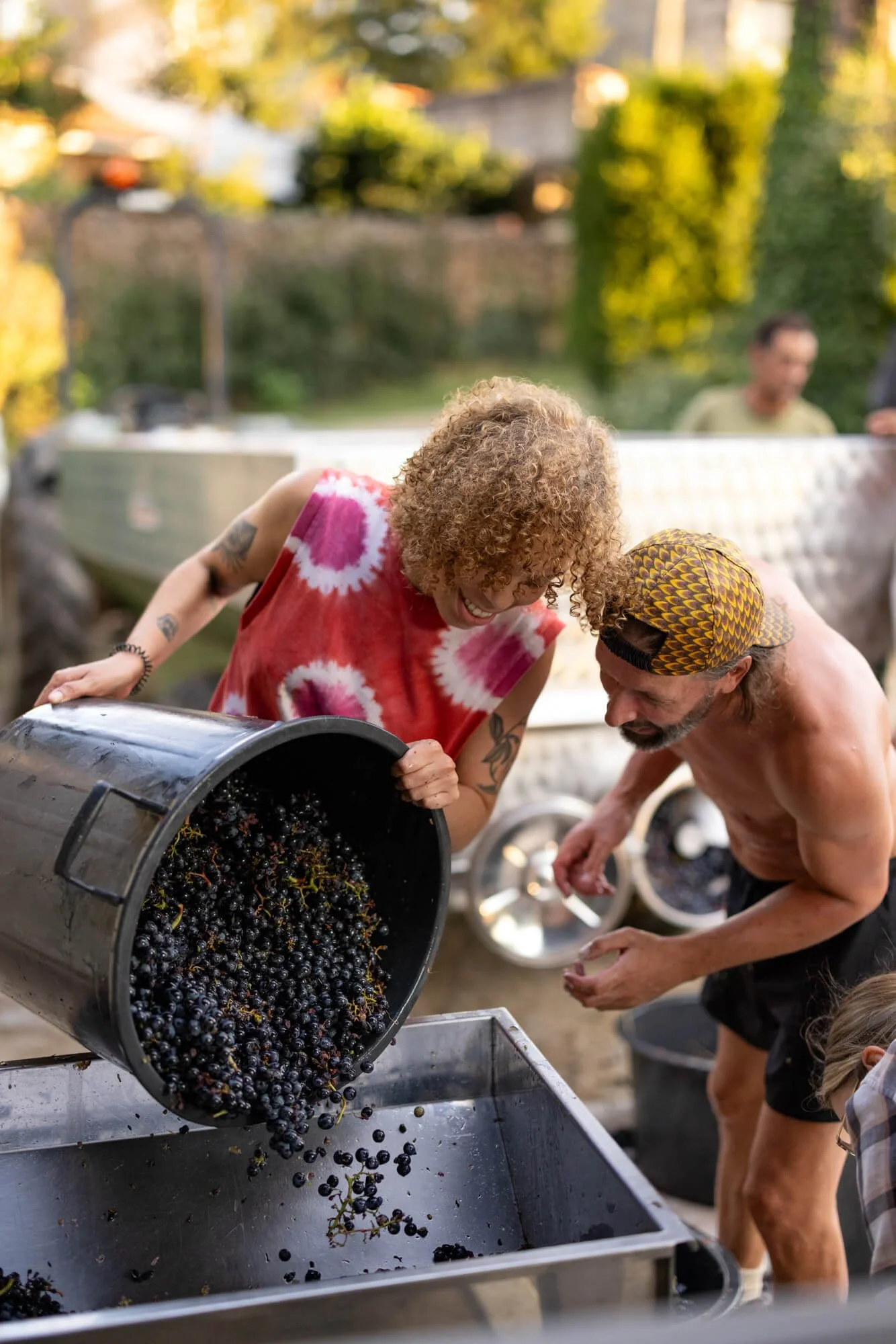
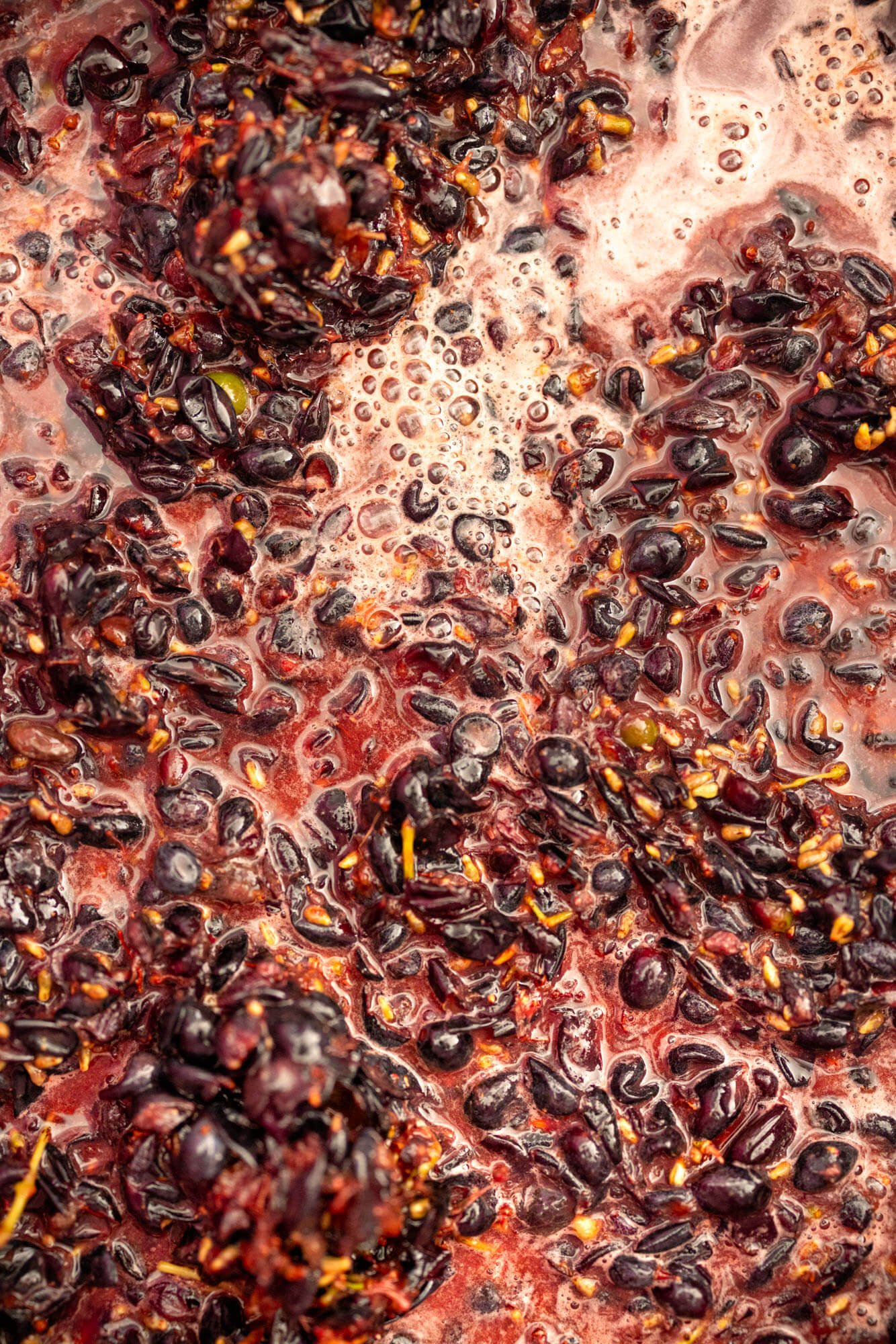
Florian Tonello came to natural wine from graffiti, and now works with small artisanal producers across Portugal, bringing an old vineyard in Penalva do Castelo back into use along the way. He also co-founded Pura Sede, the country's first natural wine festival. Low intervention, and a great deal of curiosity.





Sui Searle - Decolonising the Garden
East Sussex, England
Sui came to gardening as a second career, leaving twenty years in financial services to work with her hands instead. In 2020 she founded Decolonising the Garden and its newsletter Radicle, bringing an anti-racism and decolonial lens to an industry that rarely makes room for one. She gardens slowly and on purpose, and talks about land the way most people talk about family.


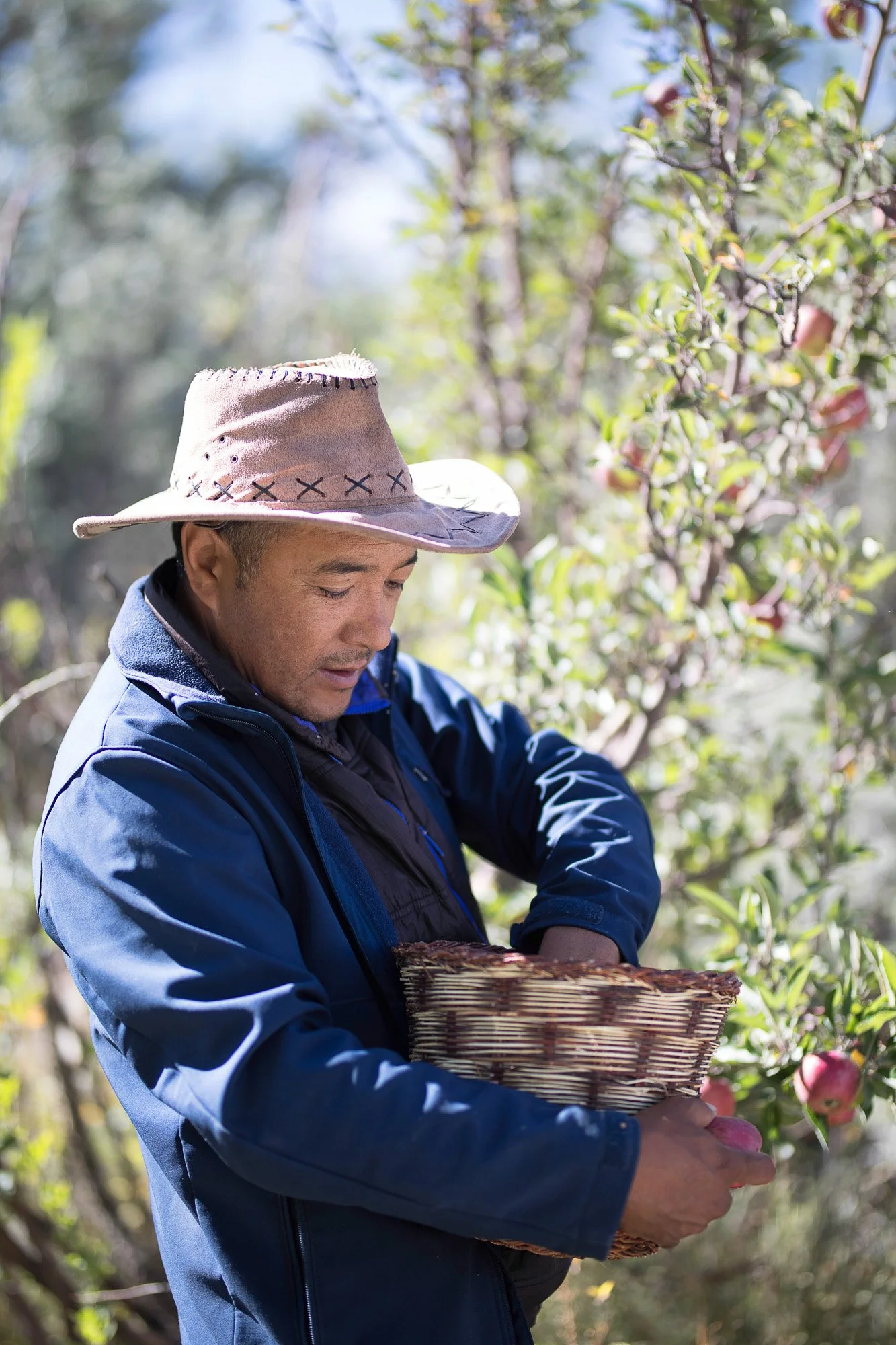
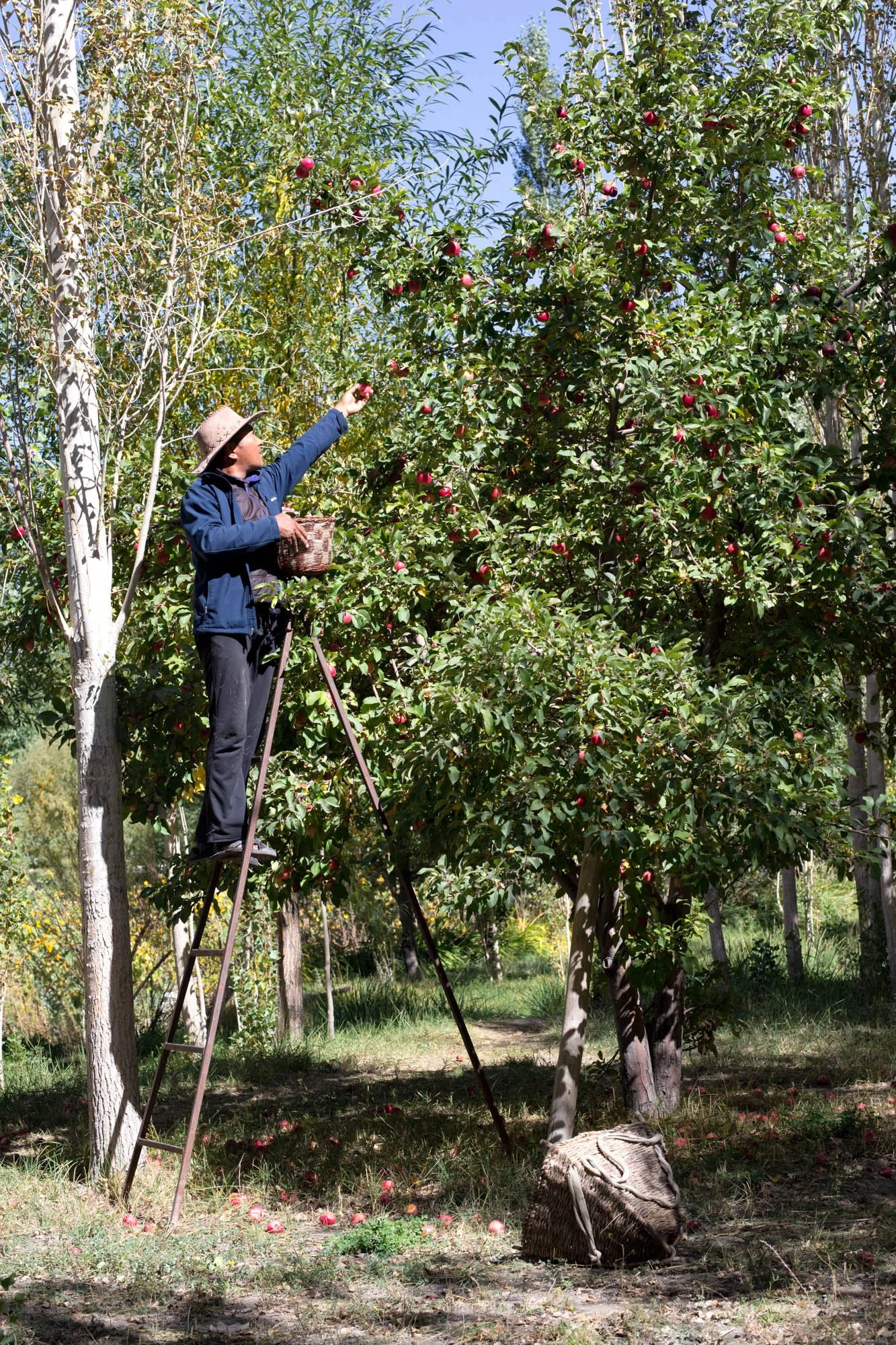
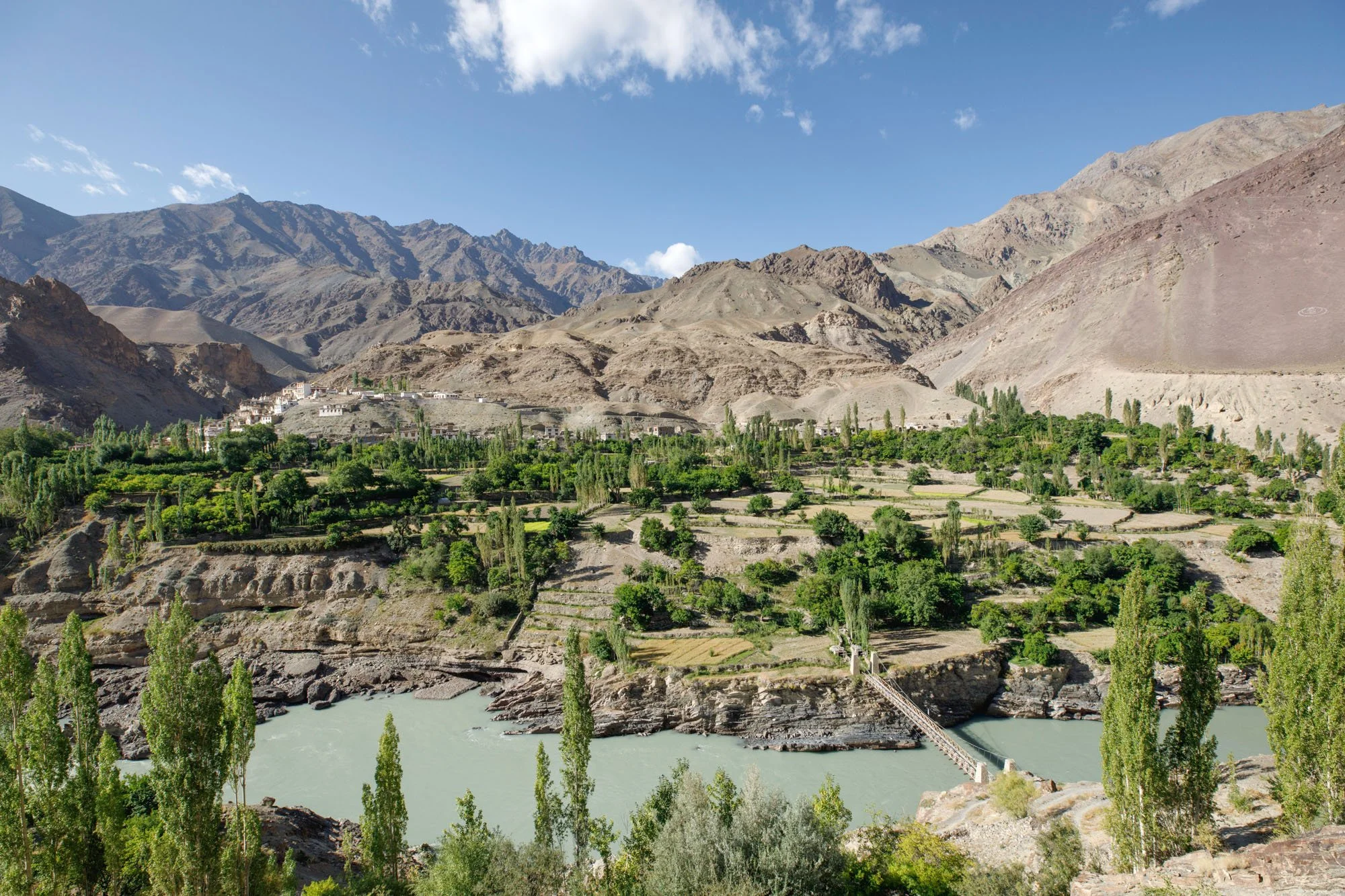
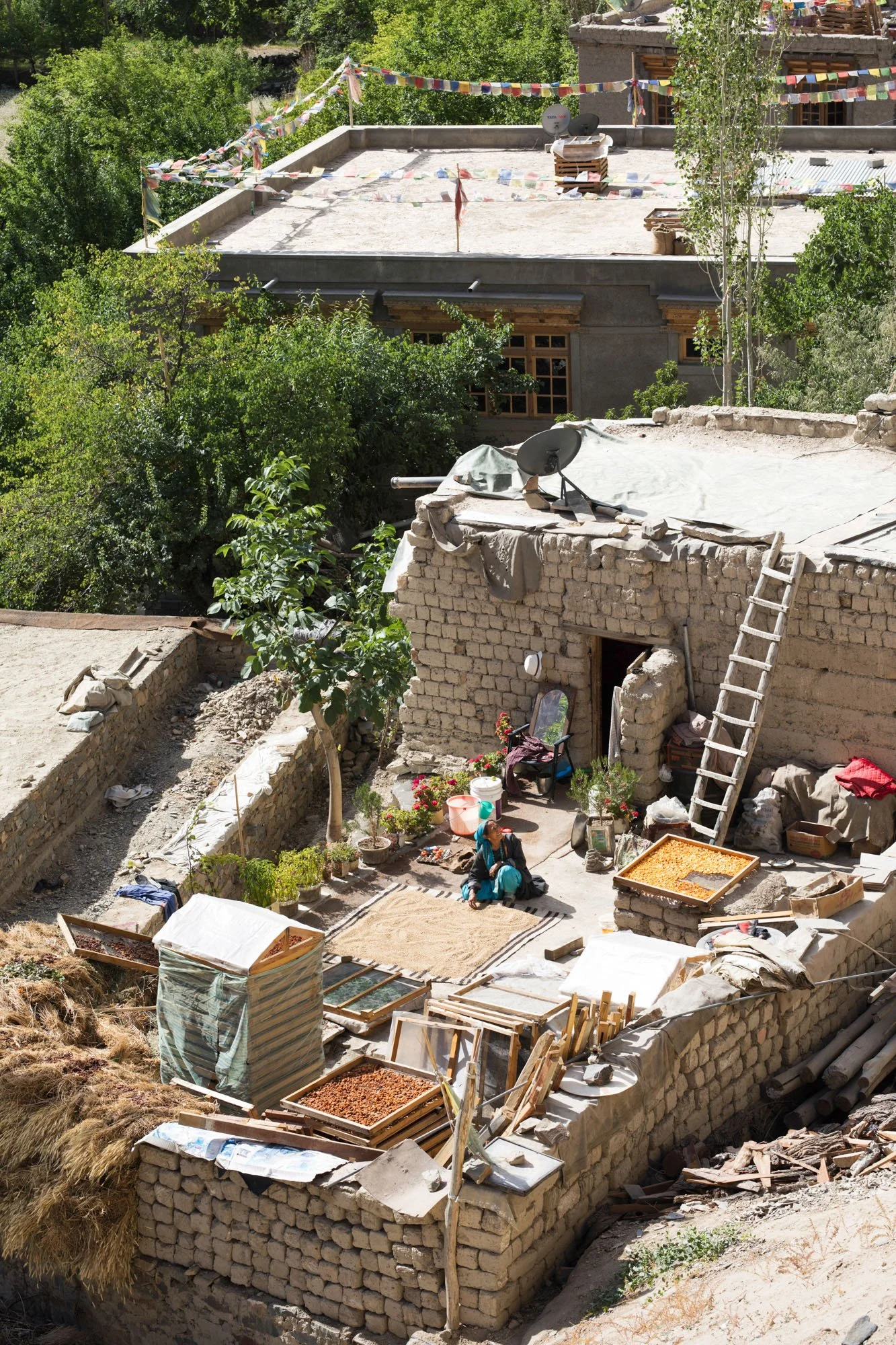
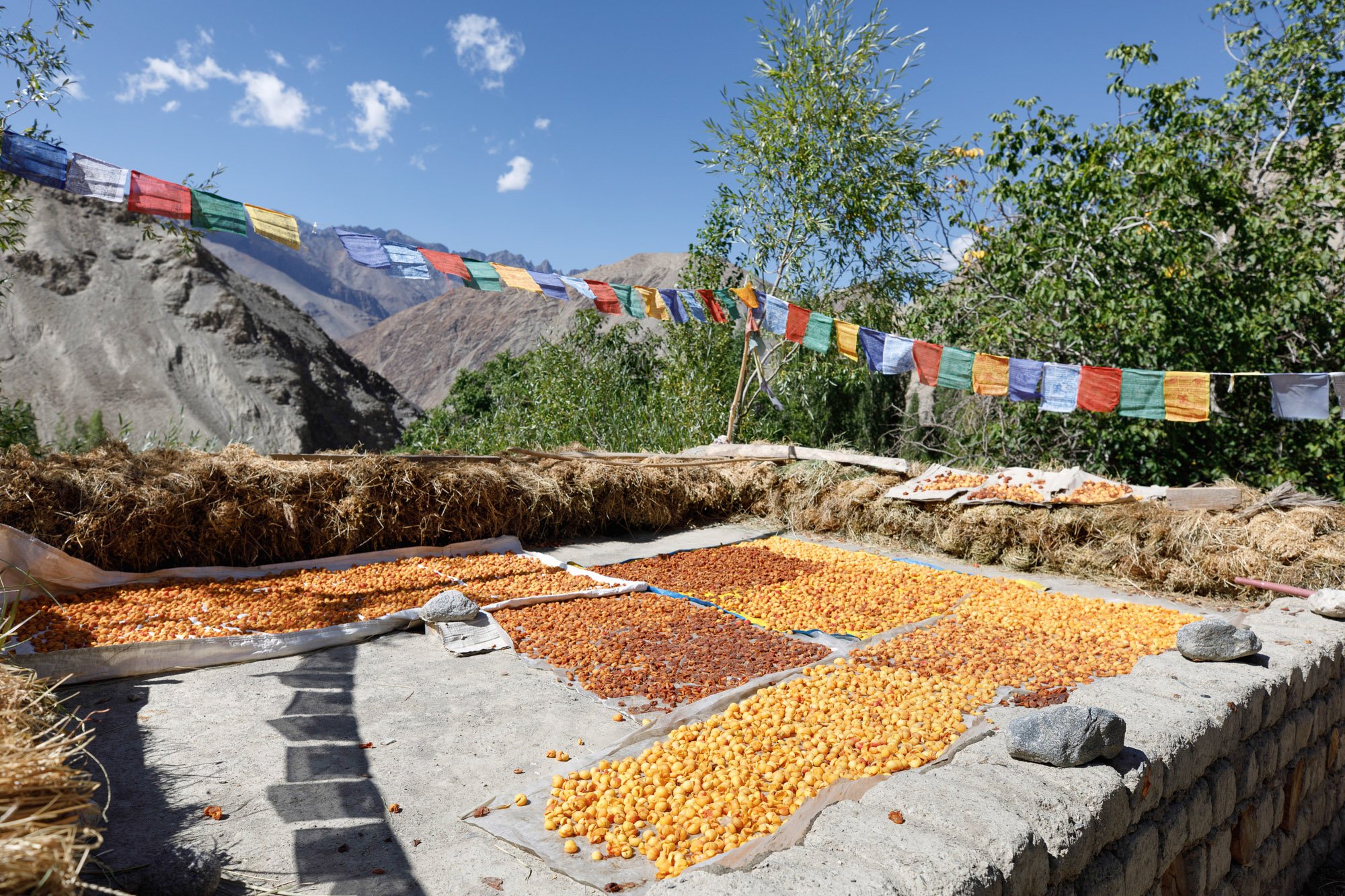
Himalayan Small Holders
Ladakh - India
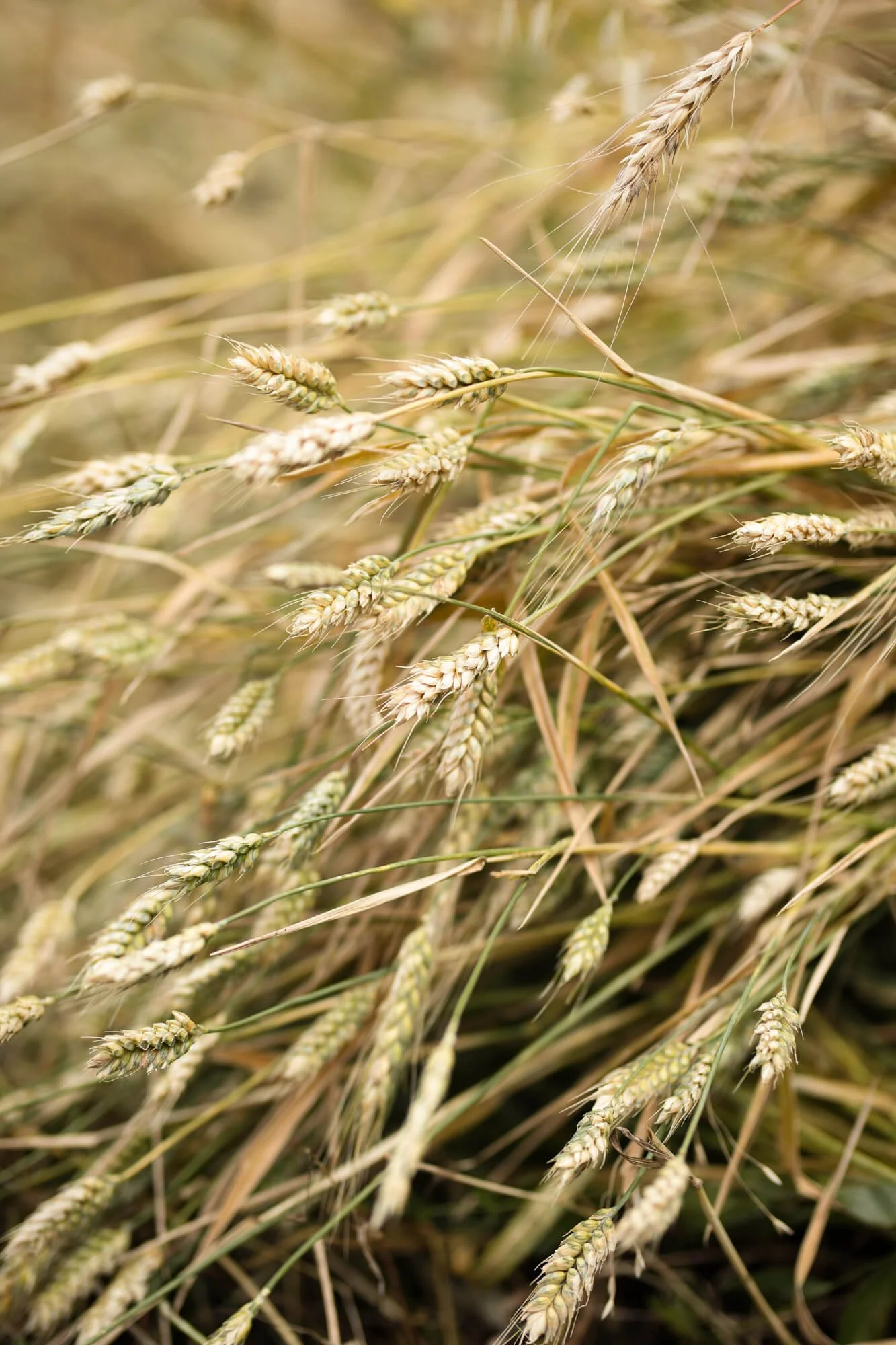
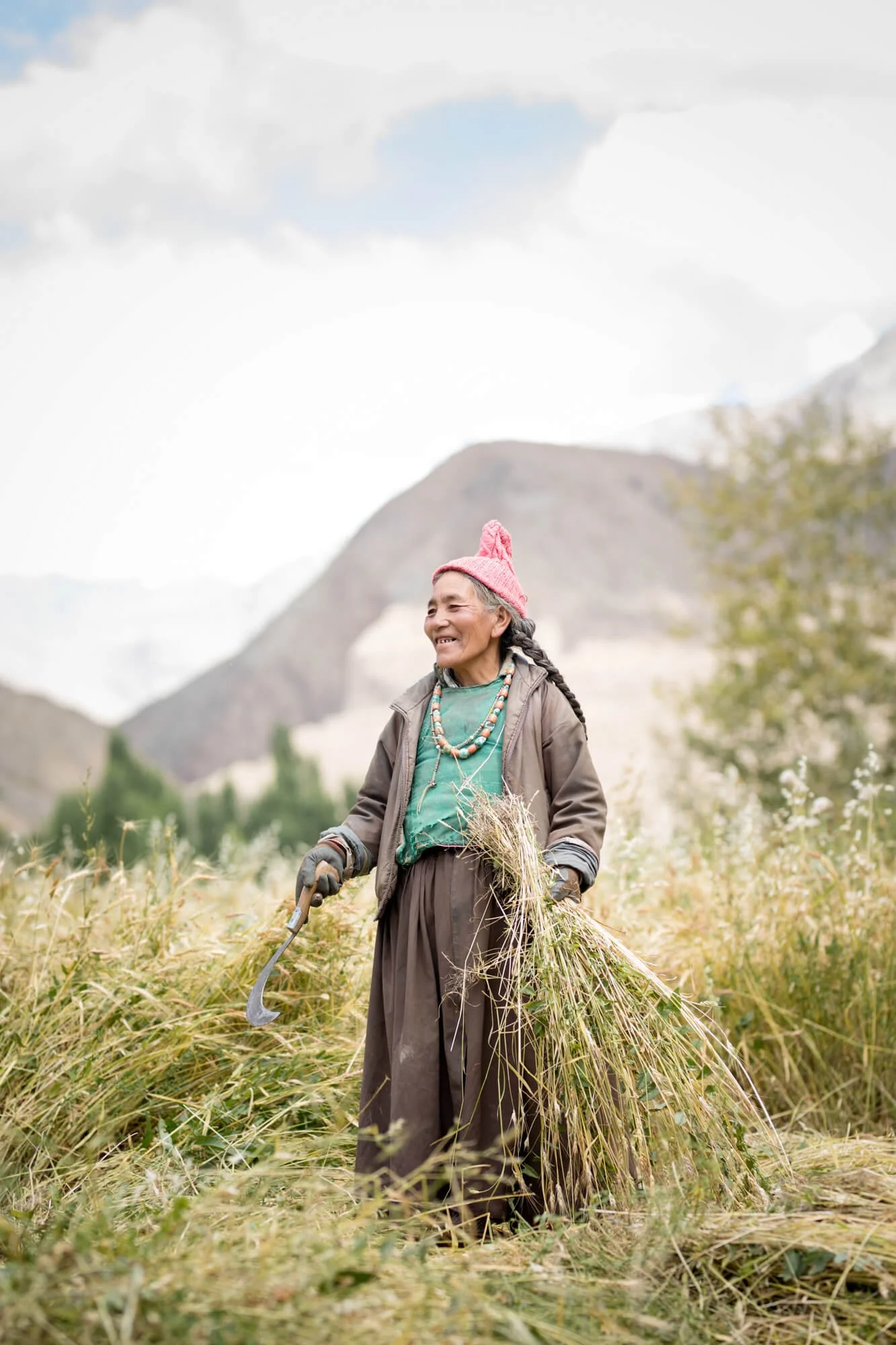
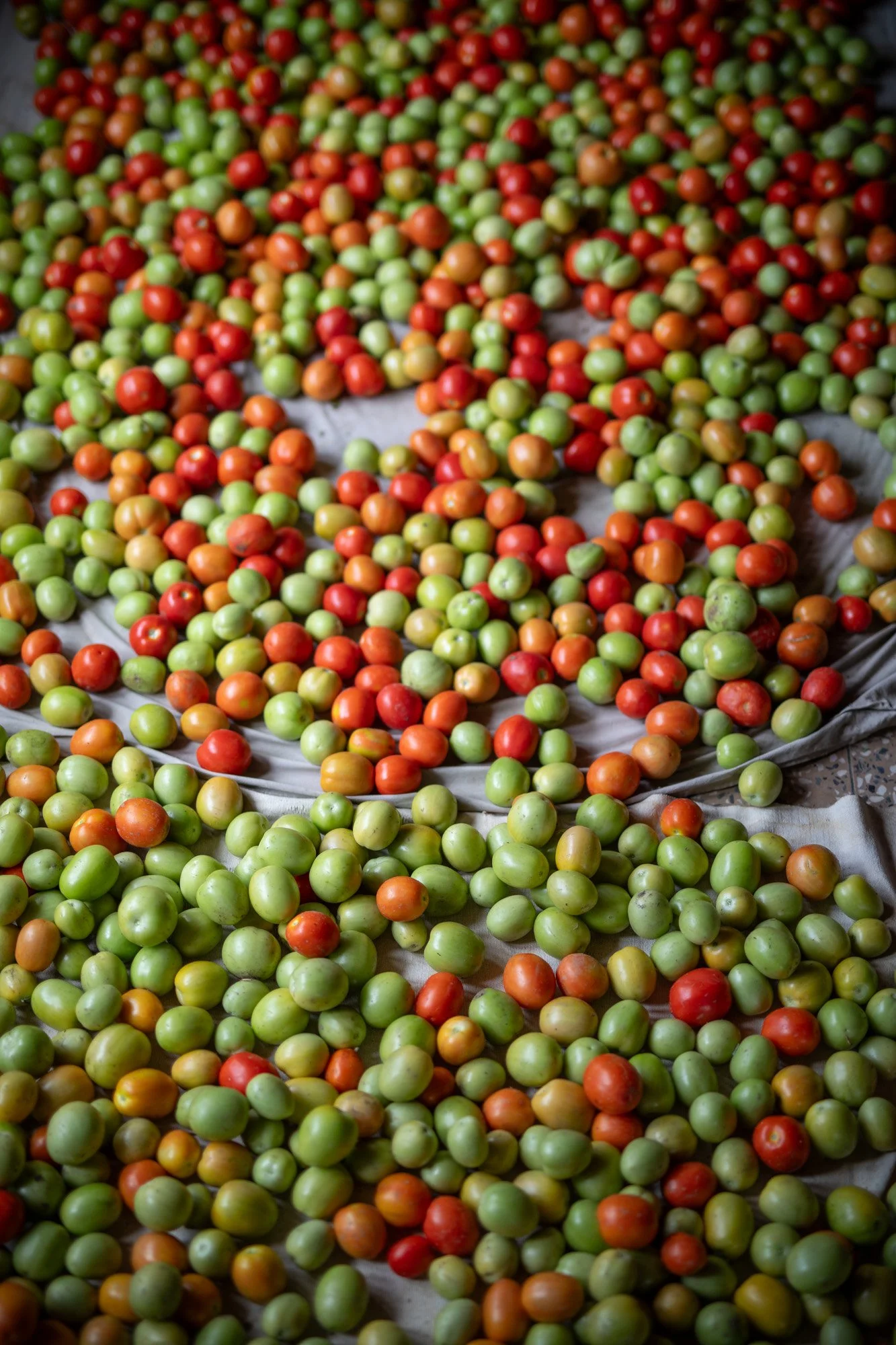
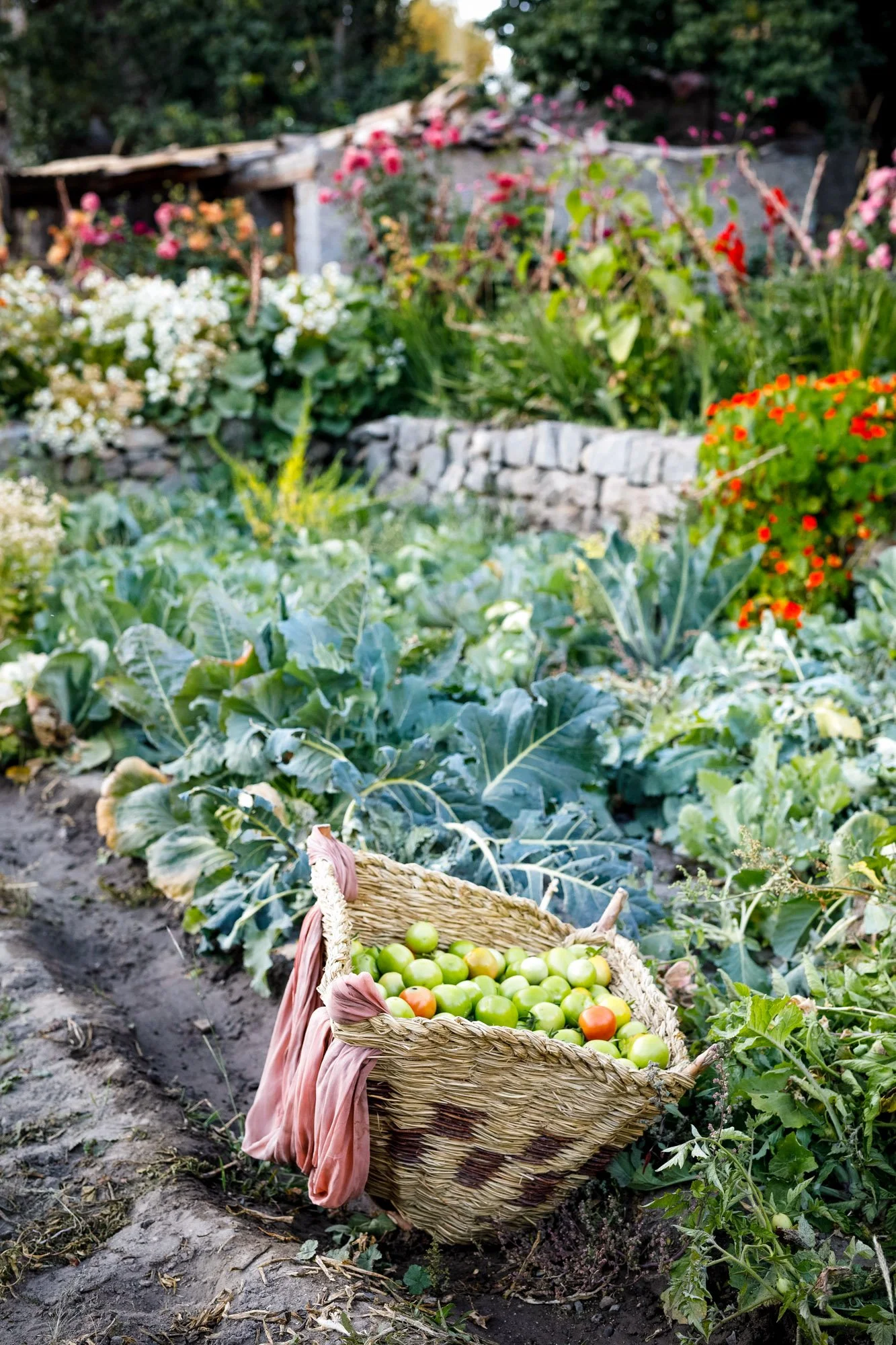
Ladakh's farmers work impossibly small plots, some barely bigger than a garden, shaped over generations to survive a growing season of only three or four months, fed by nothing but snowmelt. Families still save their own seed at every harvest, keeping strains suited to nowhere else on earth. Neighbours feed neighbours here, and money barely enters into it.


Vizinha - Regenerative Farm
Ericeira - Portugal
Ella, Dylan and Sophie farm regeneratively just outside Ericeira and run a cooperative cafe with what comes off the land. They work on the basis that regenerative farming is about people as much as soil, which is easy to say and harder to actually build. Friends of mine since I moved here.
Tim & Caro - The Cornish Seaweed Company
Lizard Peninsula - Cornwall, England
Caro trained as a renewable energy engineer and fitted off-grid systems in Borneo, Peru and the Philippines. Back in Cornwall after a bad accident, a documentary set her on seaweed. Tim came the long way from below-sea-level Holland, chasing wild places and conservation work, and stopped once Cornwall and its surf had him. Together they started the UK's first seaweed company, hand-cutting every frond with scissors off the Lizard and leaving it to regrow.

Xanthe Gladstone - Organic Grower and Chef
Hawarden Estate - Wales
Xanthe grows organically in a Victorian walled garden in North Wales, and runs workshops and supper clubs out of it. She grew up outdoors in Scotland, followed her friends to London and a marketing job, and worked out fairly quickly that it wasn't for her. So she left, moved to Wales, and put her hands in the soil.


Yugen Forest - Regenerative Farm
Dronten - The Netherlands
Fifty-two hectares of regenerative estate in the Dutch flatlands, run as a place for people to reconnect with the land: foraging walks, forest bathing, sweat lodges, nature work days. It is stewardship-owned rather than shareholder-owned, so the land cannot be sold off for a return.
The Orchard of Flavours - Botanical Garden
Tavira, Algarve - Portugal
Miguel's orchard just outside Tavira is a garden you can eat: over four hundred fruit tree species, rare and forgotten varieties among them, grown as a living experiment in what will still thrive as the climate shifts. He's testing which edible plants tolerate salt, poor soil and little water, and sharing whatever he learns for free. The rest of the time he's showing people round — connecting them to nature, as he puts it, through the things you can pick and taste.
Vital Seeds - Open-pollinated Seed Producers
Ashburton - Devon, England
Fred Groom and Ronja Schlumberger grow open-pollinated seed on a small organic holding in Devon. In the last century we have lost ninety per cent of the diversity in our food crops, largely to industrialised agriculture and proprietary hybrids, and their work is a direct answer to that: varieties gardeners can save and sow again, suited to the climate they are actually growing in.
La Di Da Di - Natural Wines
Penalva do Castelo - Dão, Portugal
Florian Tonello came to natural wine from graffiti, and now works with small artisanal producers across Portugal, bringing an old vineyard in Penalva do Castelo back into use along the way. He also co-founded Pura Sede, the country's first natural wine festival. Low intervention, and a great deal of curiosity.
Sui Searle - Decolonising the Garden
East Sussex, England
Sui came to gardening as a second career, leaving twenty years in financial services to work with her hands instead. In 2020 she founded Decolonising the Garden and its newsletter Radicle, bringing an anti-racism and decolonial lens to an industry that rarely makes room for one. She gardens slowly and on purpose, and talks about land the way most people talk about family.
Himalayan Small Holders
Ladakh - India
Ladakh's farmers work impossibly small plots, some barely bigger than a garden, shaped over generations to survive a growing season of only three or four months, fed by nothing but snowmelt. Families still save their own seed at every harvest, keeping strains suited to nowhere else on earth. Neighbours feed neighbours here, and money barely enters into it.